
Looking for a simple way to burn more calories while walking? Change up your pace. In a study published in the September 2015 issue of the journal Biology Letters, engineering researchers at The Ohio State University found that walking at varying speeds can burn up to 20 percent more calories compared to maintaining a steady pace. The study is one of the first to measure … [Read more...]

Therapy reduces the risk of fragility fractaures by 40 percent: American Academy of Orthopaedic Surgeons Study
Osteoporosis, a disease of progressive bone loss, affects 70 percent of the U.S. population older than age 50: one in two women--and one in five men. These individuals are at risk for fragility fractures, a break that results from a fall, or occurs in the absence of obvious trauma, and most commonly seen in the wrist, the upper arm, the hip, and the spine. People who sustain … [Read more...]

Restless legs syndrome linked to heart and kidney problems: A Study
Imagine trying to lie down and rest but feeling an uncontrollable urge to keep moving your legs. That, in a nutshell, is the ongoing ordeal facing people with restless legs syndrome. Considered a neurological, sleep, or movement disorder, RLS affects up to 1 in 10 people in the U.S. For those coping with a more severe form of RLS, countless sleepless nights--during which … [Read more...]

Environmental memories transmitted from a father to his grandchildren: McGill University Study
If you have diabetes, or cancer or even heart problems, maybe you should blame it on your dad's behaviour or environment. Or even your grandfather's. That's because, in recent years, scientists have shown that, before his offspring are even conceived, a father's life experiences involving food, drugs, exposure to toxic products and even stress can affect the development and … [Read more...]

Women more vulnerable to artery hardening during menopause: A Study
What has previously been known as good cholesterol--high density lipoprotein (HDL)--has now been shown to be not so good in protecting women against atherosclerosis while they are transitioning through menopause. That's according to a new study from the University of Pittsburgh Graduate School of Public Health that was presented last week at the annual meeting of The North … [Read more...]

Smoking, heavy alcohol use are linked to aging: A Study
Cigarette smoking and heavy alcohol use cause epigenetic changes to DNA that reflect accelerated biological aging in distinct, measurable ways, according to research presented at the American Society of Human Genetics (ASHG) 2015 Annual Meeting in Baltimore. Using data from the publicly available Gene Expression Omnibus, Robert A. Philibert, MD, PhD and colleagues at the … [Read more...]

Rebates a cost-effective way to boost healthy eating: University of Illinois Study
Providing low-income households that receive federal food assistance benefits with financial incentives to buy fruits and vegetables would encourage them to purchase and consume more healthy food, and slightly increase their longevity, a new study suggests. Despite some critics' concerns, these incentives, in the form of rebates for purchasing healthy foods, are unlikely to … [Read more...]

Bone-healthy diets throughout life help to protect against osteoporosis in old age: International Osteoporosis Foundation Study
Whether you're young or old, the right nutrition can make a difference to your bone health and influence your ability to live an independent, mobile, fracture-free life into your more senior years. That's the key message of a new scientific review published in the journal Osteoporosis International by leading bone and nutrition experts, in anticipation of World Osteoporosis Day … [Read more...]

Birth weight, poor childhood growth linked to hearing, vision problems in middle age: Manchester University Study
A study of up to 433,390 UK adults, led by The University of Manchester, has linked being under and overweight at birth with poorer hearing, vision and cognition in middle age. Researchers in Manchester, Nottingham, Cincinnati and Madison, Wisconsin analysed data from up to 433,390 UK adults from the UK Biobank study. Associations with birth weight -- an index of prenatal … [Read more...]
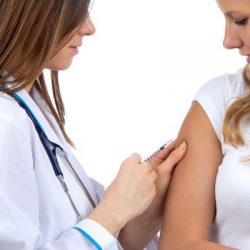
Flu shot reduces risk of stroke: University of Lincoln Study
The risk of suffering a stroke is significantly reduced for up to two months after receiving a flu vaccine, a major new study has shown. The research by the University of Lincoln, UK, funded by the National Institute of Health Research and published in the journal Vaccine, showed the chances of having a first stroke fell by around a fifth in the first 59 days after receiving … [Read more...]
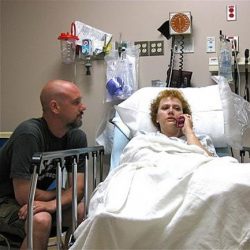
New treatment for bladder cancer: A Spanish Study
Universitat Autònoma de Barcelona researchers have found a mycobacterium that is more effective in treating superficial bladder cancer and does not cause infections, unlike those used up to now. Mycobacteria are the only bacteria used in cancer treatment. The administration of the bacterium Mycobacterium bovis (BCG), is the current treatment for superficial bladder cancer. … [Read more...]

No benefit of exercise program following immobilization of ankle fracture: A Study
A supervised exercise program and self-management advice, like those commonly given with physical therapy, did not improve activity limitation or quality of life compared with advice alone after removal of immobilization for patients with an uncomplicated ankle fracture, according to a study in the October 6 issue of JAMA. Ankle fracture is a common injury and is treated … [Read more...]

Genetic difference could put some at greater risk of diabetes: A Spanish Study
Researchers from Brigham and Women's Hospital (BWH) and the University of Murcia, Spain, have shed new light on why people who carry a common genetic mutation may be more at risk for developing type 2 diabetes. By carefully studying healthy subjects, researchers were able to chart the effect of melatonin supplements on blood sugar control. Their results, reported in Metabolism, … [Read more...]

New test predicts teens’ future risk of heart disease: University of Virginia Study
Risk for cardiovascular disease, currently running rampant in the United States, can now be predicted for adolescents thanks to a new diagnostic test developed by a University of Virginia Children's Hospital pediatrician and his collaborators. The test accounts for many risk factors for the deadly disease and has the potential to be adapted by physicians nationwide to assess … [Read more...]

Marijuana extract isn’t effective in preventing nausea: A Swiss Study
The marijuana extract tetrahydrocannabinol (THC) isn't effective in preventing nausea and vomiting after surgery in patients at high risk of this common complication, reports a study in Anesthesia & Analgesia. Intravenous THC had a "negligible" effect on postoperative nausea and vomiting (PONV), as well as "unpredictable psychotropic and sedative side effects," according … [Read more...]

Should women consume alcohol during pregnancy: A Study
In The BMJ this week, experts discuss the evidence and current guidelines on the controversial topic of alcohol consumption during pregnancy. "Alcohol is not essential to the health or well being of a pregnant woman and is known to be harmful to her baby," argue Mary Mather, a retired paediatrician, and Kate Wiles, a doctoral research fellow in obstetric medicine at Guys and St … [Read more...]

Immune cells may help fight against obesity: A Study
While a healthy lifestyle and "good genes" are known to help prevent obesity, new research published on September 15 in Immunity indicates that certain aspects of the immune system may also play an important role. In the new study, scientists observed that mice lacking a particular type of immune cell gained excess weight and developed metabolic abnormalities even … [Read more...]

Physical activity, sadness, and suicidality in bullied U.S. adolescents: A Study
A study to be published in the October 2015 issue of the Journal of the American Academy of Child and Adolescent Psychiatry (JAACAP) reports that exercise for 4 or more days per week is associated with an approximate 23% reduction in both suicidal ideation and attempt in bullied adolescents in the U.S. Across the U.S., nearly 20% of students report being bullied on … [Read more...]

Parkinson’s disease: Everyday activity more beneficial than occasional strenuous exercise: University of Michigan Study
New University of Michigan research finds people with Parkinson's disease may want to consider attempting to do the dishes, fold the laundry and take strolls around the neighborhood in their quest to control their symptoms. Parkinson's patients often become sedentary because of motor symptoms such as gait, balance problems or falls, said study principal … [Read more...]

Tai Chi linked to improved physical capacity among older adults: A Study
The ancient Chinese exercise Tai Chi is linked to improved physical capacity among older adults with certain common long term conditions, indicates a pooled analysis of the available evidence, published online in the British Journal of Sports Medicine. Among people with breast cancer, heart failure, osteoarthritis and chronic obstructive pulmonary disease (COPD), … [Read more...]

Types of athletic training affect how brain communicates with muscles: University of Kansas Study
Using endurance training or strength and resistance training not only prepares an athlete for different types of sports, they can also change the way the brain and muscles communicate with each other. A University of Kansas study shows that the communication between the brain and quadriceps muscles of people who take part in endurance training, such as running long … [Read more...]

Exercise reduces suicide attempts by 23 percent: University of Vermont Study
As high schools across the country continue to reduce physical education, recess, and athletic programs, a new study shows that regular exercise significantly reduces both suicidal thoughts and attempts among students who are bullied. Using data from the CDC's National Youth Risk Behavior Survey of 13,583 high school students, researchers at the University of … [Read more...]

Dramatic benefits of weight-loss surgery: University of Virginia Study
A study evaluating the effects of bariatric surgery on obese women most at risk for cancer has found that the weight-loss surgery slashed participants' weight by a third and eliminated precancerous uterine growths in those that had them. Other effects included improving patients' physical quality of life, improving their insulin levels and ability to use glucose -- … [Read more...]

Weight training helps breast cancer survivors regain functional strength: Florida State University Study
Weight training can be a big boost to breast cancer survivors who are trying to regain muscle and bone strength lost due to cancer treatment and physical inactivity, says a Florida State University researcher. In the academic journal Healthcare, FSU Professor of Exercise Science Lynn Panton details how a weight training regimen can help women who've survived breast … [Read more...]

Exercise may be replaced with a pill: University of British Columbia Study
Everyone knows that exercise improves health, and ongoing research continues to uncover increasingly detailed information on its benefits for metabolism, circulation, and improved functioning of organs such as the heart, brain, and liver. With this knowledge in hand, scientists may be better equipped to develop "exercise pills" that could mimic at least some of the beneficial … [Read more...]

Endoplasmic reticulum stress plays significant role in type 2 diabetes: A Study
A new research report published in the October 2015 issue of the Journal of Leukocyte Biology, suggests that the endoplasmic reticulum plays a more important role in type 2 diabetes and its complications than previously believed. Specifically, when this cell compartment undergoes disruptions (stress) patients experienced poor glycemic control, dyslipidemia, insulin resistance … [Read more...]

Enzyme malfunction may be why binge drinking can lead to alcoholism: Stanford University Study
A malfunctioning enzyme may be a reason that binge drinking increases the odds of alcoholism, according to a study by scientists at the Stanford University School of Medicine. The scientists identified a previously unsuspected job performed by the enzyme, ALDH1a1, in mice. The discovery could help guide the development of medications that extinguish the urge to … [Read more...]

Face-to-face socializing more powerful than phone calls, emails in guarding against depression: Oregon Health & Science University Study
In a slight knock on digital and telephone communications, a new study points to the unsurpassed mental health benefits of regular face-to-face social interactions among older adults. Study participants who regularly met in person with family and friends were less likely to report symptoms of depression, compared with participants who emailed or spoke on the phone. … [Read more...]

Depression can lead to work disability: A Norwegian Study
In Norway, men suffering from depression are three times more likely to become work disabled than non-sufferers. This risk is only twice as great for women. Researchers at SINTEF and the Nordland and Finnmark hospitals have carried out a study published this summer in the periodical International Journal of Methods in Psychiatric Research. "We aren't sure why … [Read more...]

Type 1 diabetes prevention: Insulin vaccine undergoes second trial: A German Study
A vaccination against type 1 diabetes will soon be available to young children: the Pre-POINTearly vaccination study will involve children between the ages of six months and two years from across Germany who have a first-degree relative with type 1 diabetes. In the preceding Pre-POINT study a positive immune response was triggered in children aged between two and … [Read more...]
- « Previous Page
- 1
- …
- 109
- 110
- 111
- 112
- 113
- …
- 429
- Next Page »