A research team led by scientists at the UNC School of Medicine and the National Institutes of Health has unearthed more evidence that casts doubt on the traditional "heart healthy" practice of replacing butter and other saturated fats with corn oil and other vegetable oils high in linoleic acid. The findings, reported today in the British Medical Journal, suggest that using … [Read more...]
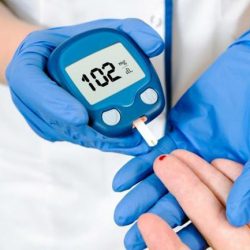
Depression, metabolic factors combine to boost risk of developing diabetes: McGill University Study
Depression may compound the risk of developing type 2 diabetes in people with such early warning signs of metabolic disease as obesity, high blood pressure and unhealthy cholesterol levels, according to researchers from McGill University, l'Université de Montréal, the Institut de recherches cliniques de Montréal and the University of Calgary. While previous studies have … [Read more...]

More than 40 percent of retired NFLplayers have brain injury: A Study
More than 40 percent of retired National Football League (NFL) players in a recent study had signs of traumatic brain injury based on sensitive MRI scans called diffusion tensor imaging, according to a study released today that will be presented at the American Academy of Neurology’s 68th Annual Meeting in Vancouver, Canada, April 15 to 21, 2016. “This is one of the largest … [Read more...]

Anorexia triggered by combination of genetic risk, stress and dieting: Columbia University Study
In a new study, researchers from Columbia University Medical Center (CUMC) described a new mouse model featuring a combination of genetic and environmental risk factors that can trigger the compulsive restriction of food intake seen in patients with anorexia nervosa. The findings may help to identify new prevention and treatment strategies for the eating disorder in … [Read more...]

Epilepsy drug may not increase risk of birth defects:
Babies born to pregnant women taking the epilepsy drug lamotrigine may not be at an increased risk of birth defects, such as cleft lip, cleft palate or clubfoot, according to a study published in the April 6, 2016, online issue of Neurology®, the medical journal of the American Academy of Neurology. Lamotrigine is an epilepsy drug used on its own or in combination with other … [Read more...]

Higher levels of vitamin D linked to lower cancer risk: University of California Study
Researchers at University of California, San Diego School of Medicine report that higher levels of vitamin D -- specifically serum 25-hydroxyvitamin D -- are associated with a correspondingly reduced risk of cancer. The findings are published in the April 6, online issue of PLOS ONE. "We have quantitated the ability of adequate amounts of vitamin D to prevent all types of … [Read more...]

Women with higher BMI are less attractive: University of Surrey Study
Research published in the journal Economics and Human Biology has described the relationship between attractiveness, BMI and gender, showing that while women are both the harshest judges of weight in relation to beauty, they are also judged negatively by both men and women for being overweight. When these findings are applied to trends in wages, there is evidence that … [Read more...]

Protein SIRT5 and healthy heart linked: Cornell University Study
The human heart is a remarkable muscle, beating more than 2 billion times over the average life span. But the heart's efficiency can decrease over time. One major contributor to this decreased function is cardiac hypertrophy -- a thickening of the heart muscle, resulting in a decrease in the size of the left and right ventricles. This makes the heart work harder and pump … [Read more...]

Exercise protects against cancer: University of Copenhagen Study
When you're pounding along an icy pavement or sweating through a gym workout, you try to remind yourself of the many health benefits of exercise. Between gasps, you can say that a healthy, fit lifestyle helps prevents obesity, a worldwide problem of increasing magnitude that has been linked to cardiovascular disease and diabetes. But here's one more -- exercise may decrease … [Read more...]

Levels of molecular marker Ki67 in healthy breast tissue predicts a woman’s risk of developing breast cancer: Harvard Medical School Study
Harvard Stem Cell Institute (HSCI) researchers at Dana-Farber Cancer Institute (DFCI) and collaborators at Brigham and Women's Hospital (BWH) have identified a molecular marker in normal breast tissue that can predict a woman's risk for developing breast cancer, the leading cause of death in women with cancer worldwide. The work, led by HSCI principal faculty member Kornelia … [Read more...]

Toothpaste ingredient that hardens teeth while sleeping: University of Queen Mary London Study
A new toothpaste ingredient which puts back the lost minerals from tooth enamel and helps prevent decay and treat sensitivity while you sleep is available online and from specialist dental distributors now. It is expected to be available through high street stores by the end of the year. The new BioMinF toothpaste ingredient provides a new tooth repair technology which will … [Read more...]

New diabetes treatment: University of Birmingham Study
Researchers have developed a light-activated tool to show how drugs need to be adapted to combat type 2 diabetes. The study, published in Angewandte Chemie, provides insight into the signalling process of receptors in cells. The team behind the research believe their findings could pave the way for a new generation of anti-diabetic drugs that are activated by the presence … [Read more...]
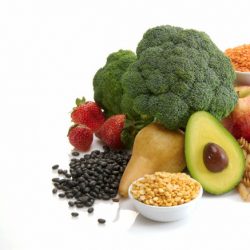
More fiber restore microbiome diversity: University of Alberta Study
Scientists are pushing to restore human health in Western countries by changing our diet to restore the microbial species lost over the evolution of Western diet. In a Commentary published April 11 in Trends in Endocrinology & Metabolism, researchers at the University of Alberta advocate for strategically increasing dietary fiber intake as one path forward in regaining … [Read more...]

Zinc rich plants to combat malnutrition: University of Copenhagen Study
A milestone has been reached in the research of zinc loading in crop seeds with large potential benefits to people in the developing world. A team of scientists, led by Professor Michael Broberg Palmgren from the Department of Plant and Environmental Sciences at University of Copenhagen, has just published an article about their findings in Nature Plants, which might well lead … [Read more...]

Attractive and smart but unlucky in love: University of Florida Study
Attractive and smart but unlucky in love? New research suggests you might not have luck to blame but rather your own negative traits. Researchers found that when evaluating potential mates, people give more weight to negative qualities than to positive ones. That is, even if someone has a number of positive qualities, one or two negative qualities can be enough for others to … [Read more...]

Beta cells from love handles: A Swiss Study
Researchers led by Martin Fussenegger, Professor of Biotechnology and Bioengineering at ETH Zurich's Department of Biosystems Science and Engineering in Basel, have performed a feat that many specialists had until now held to be impossible: they have extracted stem cells from a 50-year-old test subject's fatty tissue and applied genetic reprogramming to make them mature into … [Read more...]

Shiftworkers have more ‘pro-inflammatory’ diets: University of South Carolina Study
People who do shiftwork are more likely to have a diet that promotes chronic inflammation—which may partly explain the health risks associated with shiftwork, reports a study in the February Journal of Occupational and Environmental Medicine, official publication of the American College of Occupational and Environmental Medicine (ACOEM). Michael Wirth, MSPH, PhD, of the … [Read more...]

Manga comics may help promote fruit consumption among youth: City University of New York Study
A recent pilot study in Brooklyn, New York, with minority students found that exposure to Manga comics (Japanese comic art) promoting fruit intake significantly improved healthy snack selection. As snacking accounts for up to 27% of children's daily caloric intake, and childhood obesity has been linked to inadequate intake of fruits and vegetables, the results of this study … [Read more...]

Eat spinach or eggs for faster reflexes: University of Amsterdam Study
A child suddenly runs out into the road. Brake!! A driver who has recently eaten spinach or eggs will stop faster, thanks to the amino acid tyrosine found in these and other food products. Leiden cognitive psychologist Lorenza Colzato publishes her findings in the journal Neuropsychologia. The German philosopher Ludwig Feuerbach has already said it: Der Mensch ist was er … [Read more...]

Excess weight linked to brain changes that may relate to memory, emotions, and appetite: A Study
Being overweight appears related to reduced levels of a molecule that reflects brain cell health in the hippocampus, a part of the brain involved in memory, learning, and emotions, and likely also involved in appetite control, according to a study performed by researchers at SUNY Downstate Medical Center and other institutions. The results of the study were published in … [Read more...]

Treating Liver Cancer with Tiny Beads
Treating cancer that began in the liver or has spread to the liver can often involve months of chemotherapy and painful radiation treatments. But now there’s a new procedure that takes tiny beads that carry a high dose of radiation and sends them straight to the cancer. When Richard Dowling was diagnosed with liver cancer at 76, he figured doctors would focus more on his … [Read more...]

New Test for Brain Tumors
Every year in the United States as many as 15,000 people are diagnosed with glioblastoma, the most aggressive kind of brain cancer. Many patients don’t survive more than a year after diagnosis. A new test can help doctors pinpoint what is driving the tumor and better target their treatment early on. Fifty-one-year-old Christopher Keim is a husband, dad and hockey coach. He … [Read more...]

Resuscitation drugs can be beneficial to restoring heart rhythm after cardiac arrest in certain instances, research shows
Administering heart resuscitation drugs to patients whose cardiac arrest is witnessed at the time of the attack can improve survival, but needs to be done through an IV line rather than directly into bone marrow as is more commonly done by paramedics, a new study involving UT Southwestern Medical Center emergency physicians and Dallas-Fort Worth Emergency Medical Services (EMS) … [Read more...]
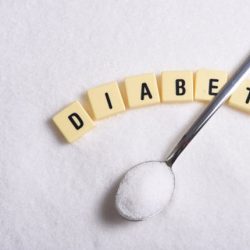
Number of adults with diabetes reaches 422 million worldwide, with fastest increases in low and middle income countries
Since 1980, the number of adults with diabetes worldwide has quadrupled from 108 million to 422 million in 2014, according to a new study published in The Lancet. The findings provide the most comprehensive estimates of worldwide diabetes trends to date and show that diabetes is fast becoming a major problem in low and middle income countries. "Diabetes has become a … [Read more...]

Oily fish eaten during pregnancy may reduce risk of asthma in offspring
Children born to mothers who eat salmon when pregnant may be less likely to have doctor diagnosed asthma compared to children whose mothers do not eat it, new research has shown. The study, led by Professor Philip Calder of the University of Southampton, was presented at the recent Experimental Biology Congress in San Diego. Professor Calder presented the findings after … [Read more...]

Treating sugar addiction like drug abuse
With obesity rates on the rise worldwide and excess sugar consumption considered a direct contributor, the search has been on for treatments to reverse the trend. Now a world-first study led by QUT may have the answer. Neuroscientist Professor Selena Bartlett from QUT's Institute of Health and Biomedical Innovation said the study, which has just been published by … [Read more...]

Seeing the light: Chemists create mimic of key vision protein
An artificial mimic of a key light-sensitive molecule has been made by scientists at the University of Bristol. The work, published in Science, could lead to new ways of building light-sensitive artificial cells. Professor Jonathan Clayden and colleagues in Bristol's School of Chemistry, along with collaborators at the Universities of Manchester and Hull, created an … [Read more...]

Skateboarding related injuries are about 176 a day in US: A Study
Skateboarding is a popular recreational sport and participation has increased the last several decades, faster than any other sport or recreation activity between 1998 and 2007. With growing participation, has come an increasing rate of injuries from skateboarding. In a study published online by Injury Epidemiology, researchers from the Center for Injury Research and Policy … [Read more...]

Kidneys have an innate clock that affects many metabolic processes in the body: University of Lausanne Study
An internal clock within the kidneys plays an important role in maintaining balance within the body, according to a study appearing in an upcoming issue of the Journal of the American Society of Nephrology (JASN). Many of the body's processes follow a natural daily rhythm or circadian clock that is based on regular light-dark cycles as Earth rotates. Dmitri Firsov, PhD, … [Read more...]

Maternal obesity and diabetes in pregnancy linked to overgrowth of baby in the womb: University of Cambridge Study
The babies of obese women who develop gestational diabetes are five times as likely to be excessively large by six months of pregnancy, according to new research led by the University of Cambridge. The study, which shows that excessive fetal growth begins weeks before at-risk women are screened for gestational diabetes, suggests that current screening programmes may take place … [Read more...]
- « Previous Page
- 1
- …
- 60
- 61
- 62
- 63
- 64
- …
- 429
- Next Page »