
Group prenatal care can substantially improve health outcomes for both mothers and their infants, a new study led by the Yale School of Public Health has found. The paper was published online Dec. 21 in The American Journal of Public Health. Women who received group -- rather than individual -- prenatal care were 33% less likely to have infants who were small for … [Read more...]

Healthier meals at Theme park: A Study
When meals at Disney World restaurants came with a fruit or vegetables instead of fries, about half of diners opted to keep the healthier option! A new study published in the Journal of the Association for Consumer Research shows that nutritionally improved kid's meals at the 145 restaurants located at Walt Disney World, Orlando, Florida were embraced by diners. Starting in … [Read more...]

Elite athletes have an anti-aging secret in their muscles: A Canadian Study
Elite runners do not experience the muscle weakening associated with aging as non-athletes do. A new study published in American Journal of Physiology -- Cell Physiology examines if their superb fitness is because their muscles have not aged. Movement and strength come from the muscle fibers that make up a muscle group contracting and generating tension. Muscle weakening … [Read more...]

Low zinc levels linked with breast-feeding problems: A Study
Zinc levels in breast milk may be able to serve as an indicator of breast function during lactation, according to Penn State health researchers. In previous studies, Shannon L. Kelleher and colleagues found that the protein ZnT2 is critical for secreting zinc into breast milk, and women who have mutations in the gene that encodes ZnT2 have substantially lower milk zinc … [Read more...]

Increased number of IVF cycles can be beneficial: University of Bristol Study
Although in vitro fertilization (IVF) is often limited to 3 or 4 treatment cycles, new research shows the effectiveness of extending the number of IVF cycles beyond this number, according to a study in the December 22/29 issue of JAMA. In vitro fertilization is commonly stopped after 3 or 4 unsuccessful embryo transfers, with 3 unsuccessful transfers labeled "repeat … [Read more...]

Tooth fillings of the future may incorporate bioactive glass: Oregon State University Study
A few years from now millions of people around the world might be walking around with an unusual kind of glass in their mouth, and using it every time they eat. Engineers at Oregon State University have made some promising findings about the ability of "bioactive" glass to help reduce the ability of bacteria to attack composite tooth fillings -- and perhaps even provide some … [Read more...]

Mothers should be cautious when discussing weight with daughters: University of Notre Dame Study
How should a concerned mother discuss issues of diet and weight with her daughter? Very carefully, according to Erin Hillard, a developmental psychology doctoral student at the University of Notre Dame. In an article recently published in the journal Body Image, Hillard and her colleagues, fellow Notre Dame psychology graduate student Rebecca A. Morrissey, and Notre Dame … [Read more...]

Facebook dependency: University of Akron Study
What drives you to Facebook? News? Games? Feedback on your posts? The chance to meet new friends? If any of these hit home, you might have a Facebook dependency. But that's not necessarily a bad thing, says Amber Ferris, an assistant professor of communication at The University of Akron's Wayne College. Ferris, who studies Facebook user trends, says the more people use … [Read more...]

‘Paris thin’ models link with Anorexia nervosa and death from starvation: A Study
Prohibiting runway models from participating in fashion shows or photo shoots if they are dangerously thin would go a long way toward preventing serious health problems among young women--including anorexia nervosa and death from starvation--according to experts from Harvard T.H. Chan School of Public Health. In an editorial that will be published online December 21, 2015 in … [Read more...]

Use of Tanning Bed by Teens: A Study
The U.S. Food and Drug Administration (FDA) has proposed a ban on tanning bed use by those under 18. In 2013, a law was enacted in New Jersey banning those under the age of 17 from using tanning beds. Jerod L. Stapleton, PhD, is a behavioral scientist at Rutgers Cancer Institute of New Jersey and assistant professor of medicine at Rutgers Robert Wood Johnson Medical School, … [Read more...]

Blocking fat transport linked to longevity: Brown University Study
Animals from tiny worms to human beings have a love-hate relationship with fats and lipids. Cholesterol is a famous example of how they are both essential for health and often have a role in death. A new study reveals another way that may be true. Researchers, working in nematodes and mice, found that a naturally occurring protein responsible for transporting fats like … [Read more...]
Vitamin D levels linked to weight-loss surgery outcomes: A Study
Low levels of vitamin D have long been identified as an unwanted hallmark of weight loss surgery, but now findings of a new Johns Hopkins study of more than 930,000 patient records add to evidence that seasonal sun exposure -- a key factor in the body's natural ability to make the "sunshine vitamin" -- plays a substantial role in how well people do after such … [Read more...]

Mother’s sleep, late in pregnancy, affects offspring’s weight gain as adults: University of Chicago Study
Poor-quality sleep during the third trimester of pregnancy can increase the odds of weight gain and metabolic abnormalities in offspring once they reach adulthood, according to a new study published online May 8, 2014, in the journal Diabetes. The researchers linked the excess weight and changes in metabolism to epigenetic modifications that reduce expression of the gene for … [Read more...]

Both omega-3, omega-6 fatty acids are produced on carbohydrate diet: A Study
Massachusetts General Hospital (MGH) investigators have developed a transgenic mouse that synthesizes both the omega-3 and omega-6 essential fatty acids within its tissues on a diet of carbohydrates or saturated fats. Called "essential" because they are necessary to maintain important bodily functions, omega fatty acids cannot naturally be synthesized by mammals and therefore … [Read more...]

Poor diuretic response associated with worse clinical outcomes: European Society of Cardiology Study
Poor diuretic response is associated with worse in-hospital and post-discharge clinical outcomes, results of the RELAX-AHF trial reveal. The study also found that serelaxin has a neutral effect on diuretic response. These novel data from the RELAX-AHF trial were presented by lead author Professor Adriaan A. Voors at the Heart Failure Congress 2014, held 17-20 May in Athens, … [Read more...]

Children who exercise have better body-fat distribution: University of Illinois Study
Maybe the numbers on the scale aren't alarming, but that doesn't mean that healthy-weight children get a pass on exercising, according to a new University of Illinois study published in Pediatrics. "The FITKids study demonstrates the extent to which physical activity can improve body composition, and that's important because it matters to your health where fat is stored. But … [Read more...]

Sense of taste may affect length of life: University of Michigan Study
Perhaps one of the keys to good health isn't just what you eat but how you taste it. Taste buds -- yes, the same ones you may blame for that sweet tooth or French fry craving -- may in fact have a powerful role in a long and healthy life -- at least for fruit flies, say two new studies that appear in the Proceedings of the National Academy of Sciences of the United States of … [Read more...]

Need of olive oil on salad: King’s College London Study
A diet that combines unsaturated fats with nitrite-rich vegetables, such as olive oil and lettuce, can protect you from hypertension, suggests a new study led by King's College London. The findings, published in the journal PNAS, help to explain why some previous studies have shown that a Mediterranean diet can reduce blood pressure. The Mediterranean diet typically includes … [Read more...]

Weight bias plagues U.S.: Michigan State University Study
Overweight political candidates tend to receive fewer votes than their thinner opponents, finds a new study co-authored by a Michigan State University weight bias expert. While past research has found weight discrimination in schools, businesses, entertainment and other facets of American society, this is the first scientific investigation into whether that bias extends to … [Read more...]

Little exercise, heavy use of electronic media constitute a significant health risk for children: University of Eastern Finland Study
The Physical Activity and Nutrition in Children Study, PANIC, carried out by the Institute of Biomedicine at the University of Eastern Finland shows that low levels of physical activity combined with heavy use of electronic media and sedentary behavior are linked to an increased risk for type 2 diabetes and vascular diseases already in 6-8 year-old children. The study was … [Read more...]

Relationships between diet and hormones that suppress eating: American Society for Microbiology Study
By comparing how gut microbes from human vegetarians and grass-grazing baboons digest different diets, researchers have shown that ancestral human diets, so called "paleo" diets, did not necessarily result in better appetite suppression. The study, published in mBio® the online open-access journal of the American Society for Microbiology, reveals surprising relationships … [Read more...]
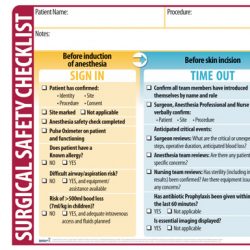
Surgical safety checklists significantly reduce post-op complications: American Society of Anesthesiologists Study
Patients experience fewer postoperative complications when a surgical safety checklist is used by their surgical team, reports the first large-scale review on the subject published in the June issue of Anesthesiology, the official medical journal of the American Society of Anesthesiologists® (ASA®). By following a simple checklist, health care providers can minimize the most … [Read more...]

Long-lived breast stem cells could retain cancer legacy: Australian Study
Researchers from Melbourne's Walter and Eliza Hall Institute have discovered that breast stem cells and their 'daughters' have a much longer lifespan than previously thought, and are active in puberty and throughout life. The longevity of breast stem cells and their daughters means that they could harbour genetic defects or damage that progress to cancer decades later, … [Read more...]

HRT therapy in women increases risk of acute pancreatitis: A Canadian Study
Women who use postmenopausal hormone replacement therapy (HRT) may be at increased risk of acute pancreatitis, found a new study in CMAJ (Canadian Medical Association Journal). Acute pancreatitis, a sudden inflammation of the pancreas, has symptoms that range from mild discomfort to severe, debilitating pain and may, in some cases, even lead to death. Although several … [Read more...]

Melatonin shows potential to slow tumor growth in certain breast cancers: A Brazilian Study
An early stage study shows melatonin -- a hormone that regulates the body's sleep and awake cycles -- may have the potential to help slow the growth of certain breast cancer tumors, according to researchers from Henry Ford Hospital in Detroit and Foundation for Research Support of the State of São Paulo. The study, published online in the journal PLoS One, finds that … [Read more...]

Skin cell response to environmental stimuli like viruses may predict type 1 diabetes: Boston University Study
Type 1 diabetes is a genetically-driven autoimmune disease of pancreatic beta-cells, whose origins remain unknown. Researchers at the Boston Medical Center (BMC) and Boston University School of Medicine (BUSM) discovered that skin cells from patients with type 1 diabetes display abnormal activity triggered by immune response mechanisms to environmental stimuli like a viral … [Read more...]

Mammography beneficial for younger women: Case Western Reserve University Study
Researchers from University Hospitals (UH) Case Medical Center and Case Western Reserve University School of Medicine have published new findings in the February issue of American Journal of Roentgenology that mammography remains beneficial for women in their 40s. According to the study, women between ages 40 and 49 who underwent routine screening mammography were diagnosed at … [Read more...]

Testosterone not helpful for women in early menopause: A Study
With plummeting hormone levels, natural menopause before age 40 can put a damper on women's mental well being and quality of life. But bringing testosterone back up to normal may not bring them the boost some hoped for, found a new study published online today in Menopause, the journal of The North American Menopause Society (NAMS). Before age 40, ovaries stop functioning in … [Read more...]
Reduction of risk of subsequent mastectomy in patients with invasive breast cancer: A Study
Standard external beam radiation therapy (EBRT) provided a higher breast preservation rate than brachytherapy in women age 66 and older with invasive breast cancer, according to a study published in the February 1, 2014 print edition of the International Journal of Radiation Oncology, Biology, Physics (Red Journal), the official scientific journal of the American Society for … [Read more...]

Accelerated partial breast irradiation: University of Pittsburgh Study
Long-term (five-year) outcomes of breast cancer patients receiving adjuvant accelerated partial breast irradiation (APBI) after breast-conserving surgery show excellent tumor control and breast cosmesis (cosmetic outcomes) with minimal late toxicity, according to a study published in the February 1, 2014 print edition of the International Journal of Radiation Oncology, Biology, … [Read more...]
- « Previous Page
- 1
- …
- 87
- 88
- 89
- 90
- 91
- …
- 429
- Next Page »