
Exercise helps to alleviate the symptoms of many chronic health conditions such as knee osteoarthritis, low back pain, chronic obstructive pulmonary disease (COPD), diabetes, heart disease and more, yet it is often overlooked as a treatment. A review in CMAJ (Canadian Medical Association Journal) aims to provide an easy-to-use how-to guide for health care professionals to … [Read more...]

Broccoli ingredient has positive influence on drug efficacy: University of Zurich Study
Certain foods can alter the activity of endogenous enzymes and thus influence the efficacy of drugs. It is well known, for example, that grapefruit has an adverse effect on a number of anti-arrhythmic and cholesterol-lowering drugs: it contains ingredients that inhibit an endogenous enzyme responsible for the degradation of certain medications in the liver. Consumption of … [Read more...]

Incentives that work best to exercise more: University of Pennsylvania Study
Does it help to reward people if you want them to exercise more? Yes, but try a combination of individual and team incentives, says Mitesh Patel, MD, MBA, MS, of the University of Pennsylvania. He led a study in the Journal of General Internal Medicine, published by Springer, that also showed how smartphones can be a hassle-free way to monitor people's exercise … [Read more...]

Sounds of eating and Quantity of eating linked: Brigham Young University Study
New doctor's orders: No earbuds, no music, and no watching TV while eating. Researchers at Brigham Young University and Colorado State University have found that the noise your food makes while you're eating can have a significant effect on how much food you eat. The "Crunch Effect," as they call it, suggests you're likely to eat less if you're more conscious of the sound … [Read more...]
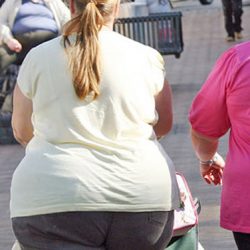
Bariatric surgery may reduce life expectancy for super obese diabetic patients: University of Cincinnati Study
Bariatric surgery improves life expectancy for many obese diabetic patients, but it may cut life expectancy for patients who are super obese with very high body mass indexes, according to a University of Cincinnati researcher. "For most patients with diabetes and a BMI (body mass index) greater than 35, bariatric surgery increases life expectancy," says Daniel Schauer, MD, … [Read more...]

MRI technique developed for nonalcoholic fatty liver disease in children: UC San Diego School of Medicine Study
Between 5 and 8 million children in the United States have nonalcoholic fatty liver disease (NAFLD), yet most cases go undiagnosed. To help address this issue, researchers at UC San Diego School of Medicine have developed a new magnetic resonance imaging (MRI)-based technique to help clinicians and researchers better detect and evaluate NAFLD in children. The study is published … [Read more...]

Overweight children may be at higher risk of esophageal cancer as adults: A Study
Overweight children may be at higher risk of esophageal (gullet) cancer when they grow up than their slimmer friends, according to research published this week in the British Journal of Cancer. Researchers studied the health records of more than 255,000 Danish school children, born between 1930 and 1971, whose height and weight was measured every year between the ages of 7 … [Read more...]
Yogurt consumption reduces the risk of type 2 diabetes: University of Cambridge Study
New research published in Diabetologia (the journal of the European Association for the Study of Diabetes) shows that higher consumption of yoghurt, compared with no consumption, can reduce the risk of new-onset type 2 diabetes by 28%. Scientists at the University of Cambridge found that in fact higher consumption of low-fat fermented dairy products, which include all yoghurt … [Read more...]

Childhood predictors of adult obesity: A Study
Will your child be a slim adult? A novel new study published in PLOS ONE asked 532 international English speaking adults to submit or "crowd-source" predictors of whether a child is going to be an overweight or a slim adult. Each participant offered what they believed to be the best predictor of what a child would weigh as an adult and submitted it in the form of a question. … [Read more...]

Whole diet approach to lower cardiovascular risk has more evidence than low-fat diets: University of Arizona Study
A study published in The American Journal of Medicine reveals that a whole diet approach, which focuses on increased intake of fruits, vegetables, nuts, and fish, has more evidence for reducing cardiovascular risk than strategies that focus exclusively on reduced dietary fat. This new study explains that while strictly low-fat diets have the ability to lower cholesterol, … [Read more...]

Intervention in first 1000 days vital to fulfilling childhood potential: University of Maryland Study
Safeguarding the healthy development of the next generation is vital for the long term success of the United Nation's Millennium Development goals. New research in Annals of the New York Academy of Sciences highlights the need to integrate global strategies aimed at tackling nutrition and cognitive development within the first thousand days of childhood. "Global estimates by … [Read more...]

Nutritional supplement improves cognitive performance in older adults: University of South Florida Study
Therapies to improve the cognitive health of older adults are critically important for lessening declines in mental performance as people age. While physical activity and cognitive training are among the efforts aimed at preventing or delaying cognitive decline, dietary modifications and supplements have recently generated considerable interest. Now a University of South … [Read more...]

Americans have their heart health facts wrong: A Study
Despite the fact that heart disease is the leading cause of death for both men and women in the U.S., about three-quarters (74 percent) of Americans do not fear dying from it, according to a recent survey from Cleveland Clinic. Conducted as part of its "Love Your Heart" consumer education campaign in celebration of Heart Month, the survey found that Americans are largely … [Read more...]

Weight loss surgery increases social acceptance but body remains problematic: University of Oslo Study
All of a sudden the once obese women are treated with respect in society. But underneath the clothes the skin is saggy and it takes a long time to become familiar with the "new" stomach. Food which was easily digested one day makes them sick the next. The slimmer they get, the more loosely hangs the skin on their body. They get looks from men which they didn't get before. … [Read more...]

Cars, computers, TVs spark obesity in developing countries: A Canadian Study
The spread of obesity and type-2 diabetes could become epidemic in low-income countries, as more individuals are able to own higher priced items such as TVs, computers and cars. The findings of an international study, led by Simon Fraser University health sciences professor Scott Lear, are published today in the Canadian Medical Association Journal. Lear headed an … [Read more...]

Mediterranean diet linked with lower risk of heart disease: Harvard School Study
Among a large group of Midwestern firefighters, greater adherence to Mediterranean-style diet was associated with lower risk factors for cardiovascular disease (CVD), according to a new study led by researchers from Harvard School of Public Health (HSPH) and Cambridge Health Alliance (CHA). The study is the first to assess the effects of Mediterranean-style diet among a group … [Read more...]

Non-traditional risk factors illuminate racial disparities in type 2 diabetes: A Study
Two surprising risk factors -- diminished lung function and low serum potassium levels -- appear to have nearly the same impact as obesity in explaining why African-Americans are disproportionately prone to developing type 2 diabetes, researchers at Duke Medicine report. The finding, published in the February print edition of the Journal of General Internal Medicine, … [Read more...]

Increase in obesity may be slowing but not by much: A University of Illinois Study
In his 2014 State of the Union address, President Barack Obama referred to an August 2013 Centers for Disease Control and Prevention study that showed a decline in the obesity rate among low-income pre-school children, saying, "Michelle's Let's Move! partnership with schools, businesses and local leaders has helped bring down childhood obesity rates for the first time in 30 … [Read more...]

Blueberries can cure Alzheimer: University of Cincinnati Study
The blueberry, already labeled a 'super fruit' for its power to potentially lower the risk of heart disease and cancer, also could be another weapon in the war against Alzheimer's disease. New research being presented today further bolsters this idea, which is being tested by many teams. The fruit is loaded with healthful antioxidants, and these substances could help prevent … [Read more...]

Sleep apnea linked to cancer: A Study
Recent studies have indicated that patients with sleep apnea may be associated with worse cancer outcomes. Now a new animal study, presented at the European Association of Urology Congress in Munich, uncovers a possible mechanism which may underlie this link. Hypoxia is where a tissue or organ does not get enough oxygen. It is one of the consequences of sleep apnea, which is … [Read more...]

Beta-blockers could reduce the risk of COPD: A Study
Beta-blockers could be used to reduce the risk of chronic obstructive pulmonary disease (COPD) exacerbations, according to new findings. Beta blockers are primarily used to treat stress or heart problems, such as high blood pressure and angina, but these new findings suggest they could have a potential benefit for patients with COPD. COPD exacerbations involve a worsening … [Read more...]

Exercise helps young people with psychosis symptoms: Manchester University Study
An exercise programme devised by researchers at the University of Manchester has dramatically reduced symptoms among young people with first-episode psychosis. The long-term prospects for young people who are diagnosed with psychosis are typically poor, with high rates of relapse, unemployment and premature death. The antipsychotics they are prescribed also cause rapid … [Read more...]

People who are ready to engage in greater amounts of pain perform better in exercise activities: University of Kent Study
Senior lecturer Dr. Lex Mauger and PhD student Ali Astokorki of the School of Sport and Exercise Sciences at the University of Kent have showed that traditional methods of measuring pain in experiments -- such as thermal, pressure or electrical stimuli -- may be unsuitable for investigating the relationship between exercise and pain. They also found that people who are ready to … [Read more...]

Diet-induced obesity and diabetes is inherited by the offspring from parents: A German Study
For its studies, the team of the Institute of Experimental Genetics (IEG) used mice that had become obese and had developed type 2 diabetes due to a high-fat diet. Their offspring were obtained solely through in vitro fertilization (IVF) from isolated oocytes and sperm, so that changes in the offspring could only be passed on via these cells. The offspring were carried and born … [Read more...]

Scientists create painless patch of insulin-producing beta cells to control diabetes: University of North Carolina
For decades, researchers have tried to duplicate the function of beta cells, the tiny insulin-producing entities that don't work properly in patients with diabetes. Insulin injections provide painful and often imperfect substitutes. Transplants of normal beta cells carry the risk of rejection or side effects from immunosuppressive therapies. Now, researchers at the … [Read more...]

Heartbuds: A Remote Stethoscope
It’s used by almost every doctor who has ever practiced medicine. But after two centuries of use, the stethoscope is finally getting an update that can help in the doctor’s office … or from half-way around the world. Thanks to his trusted stethoscope, Cardiologist at Orlando Health, Arnold Einhorn, MD, has detected tell-tale hints of missed beats or leaky lungs for a quarter … [Read more...]

Asthma, Allergies or ISS?
You can’t catch your breath, and then your doctor treats you for asthma, but it keeps getting worse. It’s a mysterious disease that affects only women, but there’s something simple you can do to change your life. Last year, Laura DiFrancesco lost what she loves to do: playing outside with her family. DiFrancesco told Ivanhoe, “I couldn’t talk in full sentences; I couldn’t … [Read more...]

Foot Fat Transplant
Imagine feeling excruciating pain every time you take a step. For some cyclists and runners, years of devotion to their sport results in something called fat pad atrophy; fat at the balls of the feet wears away, leaving nothing but bone. Now doctors are studying a new procedure to cushion the feet using a patient’s own cells. Pittsburgh dentist David Sultanov uses his hands … [Read more...]

Higher total folate intake may be associated with lower risk of exfoliation glaucoma: Harvard Medical School Study
Exfoliation glaucoma (EG), caused by exfoliation syndrome, a condition in which white clumps of fibrillar material form in the eye, is the most common cause of secondary open-angle glaucoma and a leading cause of blindness and visual impairment. Effective strategies for preventing this disease are lacking. Elevated homocysteine, which may enhance exfoliation material … [Read more...]

Vitamin D may help prevent and treat diseases associated with aging: Loyola University Study
Vitamin D may play a vital role in the prevention and treatment of diseases associated with aging, according to researchers at Loyola University Chicago Marcella Niehoff School of Nursing (MNSON). These findings were published in the latest issue of the Journal of Aging and Gerontology. Researchers reviewed evidence that suggests an association between vitamin D deficiency … [Read more...]
- « Previous Page
- 1
- …
- 65
- 66
- 67
- 68
- 69
- …
- 429
- Next Page »