Obese pregnant women who adhere to an intensive nutritional and exercise program starting in the first trimester gain less weight in pregnancy and have fewer pregnancy complications compared with peers who receive standard prenatal care, a new study from China finds. The results were presented at the joint meeting of the International Society of Endocrinology and the Endocrine … [Read more...]

Exercising first, dieting later protects patients with metabolic syndrome from muscle loss: Israeli Study
Younger and older women tend to lose lean muscle mass, along with fat, unless they engage in physical activity before they attempt weight loss, a new study from Israel finds. The results were presented at the joint meeting of the International Society of Endocrinology and the Endocrine Societ. "To preserve muscle in metabolic syndrome, irrespective of age, exercise should … [Read more...]

Exposure to fungicide, tolyfluanid, disrupts energy metabolism: University of Chicago Study
Mice exposed to the fungicide tolyfluanid (TF) showed metabolic changes similar to those that signify the development of the metabolic syndrome. The results, which were presented Sunday at the joint meeting of the International Society of Endocrinology and the Endocrine Society. Metabolic syndrome is a cluster of conditions including increased blood pressure, high blood … [Read more...]

Fifty-five genes linked to powerful tumor suppressor predict breast cancer survival: Georgetown University Study
A panel of 55 genes, almost all of which are impacted by the loss of a particular protein, appears to predict if breast cancer will become invasive, leading to poorer survival, researchers at Georgetown Lombardi Comprehensive Cancer Center report in PLOS ONE. The panel represents loss of a powerful tumor suppressor gene, SYK, as well as genetic alterations in 51 other genes … [Read more...]

Potential route to bladder cancer diagnostics and treatments: University of North Carolina Study
Researchers at the UNC School of Medicine conducted a comprehensive genetic analysis of invasive bladder cancer tumors to discover that the disease shares genetic similarities with two forms of breast cancer. The finding is significant because a greater understanding of the genetic basis of cancers, such as breast cancers, has in the recent past led to the development of new … [Read more...]

Double mastectomy halves death risk
Women with BRCA-related breast cancer who have a double mastectomy are nearly 50 per cent less likely to die of breast cancer within 20 years of diagnosis compared to women who have a single mastectomy, according to a new study led by Women's College Hospital's Kelly Metcalfe. The findings, published in the British Medical Journal, suggest a double mastectomy may be an … [Read more...]

New treatment for metastatic prostate cancer: A Study
Dartmouth-Hitchcock Norris Cotton Cancer Center has treated three men with a recently FDA-approved treatment, which offers new options for men whose prostate cancer has spread to their bones. The treatment's trade name is Xofigo® (or radium-223 dichloride). It is an alpha particle-emitting radioactive therapeutic agent with an anti-tumor effect. Treatment entails an … [Read more...]

Dense breast tissue drives the early stages of cancer: University of Manchester Study
Scientists from The University of Manchester working with IBM Research have identified a key biological mechanism that for the first time explains why women with dense breast tissue are at greater risk of developing breast cancer. The research, published in the journal Cell Cycle, has important implications for future cancer prevention and treatment. Women with higher … [Read more...]

Brown fat may warm us up in the morning hours: A Study
Brown fat is well known for protecting the body from cold temperatures, and now researchers have discovered that this cell type in humans shows circadian rhythms in its consumption of glucose--an energy fuel for heat production. These rhythms, which rise just before waking, may have evolved as a thermal defense mechanism to prepare our ancestors for hunting and gathering in the … [Read more...]

Elevated HDL cholesterol is ‘ not good’ for heart: University of Pennsylvania Study
The generally accepted medical maxim that elevated HDL cholesterol (HDL-C) is "good" has been overturned by a multi-center, international study, led by researchers from the Perelman School of Medicine at the University of Pennsylvania. They show that a certain genetic cause of increased HDL-C may actually be "bad," noting that a specific mutation in a gene which encodes a cell … [Read more...]
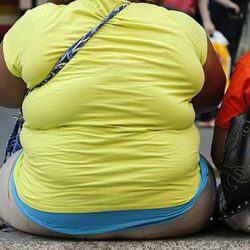
Lead exposure linked to obesity: University of Michigan Study
Exposure to lead during early development can alter the the gut microbiota, increasing the chances for obesity in adulthood, researchers from the University of Michigan School of Public Health have found. Adult male mice exposed to lead during gestation and lactation were 11 percent larger than those not exposed, due to differences in their gut microbiota, which is the … [Read more...]

Light therapy decreases depressive symptoms in cancer survivors: A Study
Light therapy decreased depressive symptoms and normalized circadian rhythms among cancer survivors, according to new research from the Icahn School of Medicine at Mount Sinai presented at the American Psychosomatic Society in Denver, CO. Researchers from Icahn School of Medicine at Mount Sinai, Northwestern University in Chicago, University of Iowa, University of California … [Read more...]

Nutritional supplements can impact genetic hearing loss in children: University of Michigan Study
An enhanced diet helped reduce hearing loss in mice with the genetic mutation most commonly responsible for childhood deafness, new research suggests. The study found that an antioxidant regimen of beta carotene (precursor to vitamin A), vitamins C and E and magnesium helped slow progression of hereditary deafness in the mice with a connexin 26 gene deletion. Mutations in … [Read more...]

Birth of a sibling potentially linked to healthier BMIs for elder children: University of Michigan Study
Becoming a big brother or big sister before first grade may lower a child's risk of becoming obese, a new study led by the University of Michigan suggests. The birth of a sibling, especially when the child was between about 2 and 4 years old, was associated with a healthier body mass index (BMI) by first grade, according to the research. Children the same age who didn't have … [Read more...]

Family-based counseling increases physical activity and diet quality in children: University of Eastern Finland Study
A recent Finnish study showed that individualized and family-based lifestyle counseling helps 6-8-year-old children increase their physical activity levels and improve their diet quality during a two-year follow-up. The results of the study conducted at the University of Eastern Finland were recently published in Preventive Medicine. "Children from families who participated … [Read more...]

Dangers and risks of binge drinking: University of Alabama Study
Researchers estimate that each year 1,825 college students ages 18-24 die from alcohol-related unintentional injuries, including motor vehicle collisions. About 20 percent of college students meet the criteria for an alcohol use disorder, with one in four college students report adverse academic consequences from drinking, including missing class, falling behind, doing poorly … [Read more...]

Consumers buy a healthy diet and junk food combination: University at Buffalo Study
While more consumers than ever are making healthier choices at the grocery store, they tend to purchase a balance of healthy and less-healthy foods, according to new research from the University at Buffalo School of Management. Published in the Journal of Retailing, the study found that consumers are concerned about eating a healthy diet, but junk food still ends up in the … [Read more...]

Practicing tai chi reduces risk of falling: A Taiwanease Study
Recently, researchers compared the effects of tai chi to leg strengthening exercises (a physical therapy called "lower extremity training," or LET) in reducing falls. Falls are a leading cause of serious injuries in older adults and can lead to hospitalization, nursing home admission, and even death. Arthritis, heart disease, muscle weakness, vision and balance problems, … [Read more...]

Retirement leads to positive lifestyle changes: University of Sydney Study
A landmark study led by University of Sydney has found that people become more active, sleep better and reduce their sitting time when they retire. Published in the American Journal of Preventative Medicine, the study followed the lifestyle behaviours of 25,000 older Australians including physical activity, diet, sedentary behaviour, alcohol use and sleep patterns. "Our … [Read more...]

Nutritional drink can help to conserve memory: Saarland University Study
The study did not find a significant benefit in broad cognitive function (the study primary endpoint). Cognitive decline over the study period was less than originally expected when it was designed ten years ago, so differences found between the two groups were too small to be statistically significant. Project coordinator Professor Tobias Hartmann, Saarland University Germany, … [Read more...]

Vitamin C and E supplements may hamper endurance training: A Study
Vitamin C and E supplements may blunt the improvement of muscular endurance -- by disrupting cellular adaptions in exercised muscles, suggests a new study published in The Journal of Physiology. As vitamin C and E supplements are widely used, understanding if they interfere with cellular and physiological adaptations to exercise is of interest to people exercising for health … [Read more...]

Adolescents salt intake correlates with obesity and inflammation: Georgia Regents University Study
Most adolescents consume as much salt as adults -- some more than twice the recommended daily allowance -- and that high sodium intake correlates with fatness and inflammation regardless of how many calories they consume, researchers report. In a study of 766 healthy teens, 97 percent self-reported exceeding the American Heart Association's recommendation of consuming less … [Read more...]

Study examines consumption of added sugar, death from cardiovascular disease: American Medical Association Study
Many U.S. adults consume more added sugar (added in processing or preparing of foods, not naturally occurring as in fruits and fruit juices) than expert panels recommend for a healthy diet, and consumption of added sugar was associated with increased risk for death from cardiovascular disease (CVD), according to a study published by JAMA Internal Medicine, a JAMA Network … [Read more...]

Better access to healthy foods not enough to tackle obesity: Penn State University Study
Government initiatives to improve access to healthy foods may have a limited impact on obesity in the US, according to new research by the London School of Hygiene & Tropical Medicine and Penn State University. Disadvantaged neighbourhoods often lack access to low-cost healthy foods, which has led to recent US policy initiatives that focus on increasing the number of … [Read more...]

Most parents fail to recognize if their child is overweight: University of Nebraska Study
Even though childhood obesity rates in the U.S. have tripled during the past 30 years, more than half of parents do not recognize that their child is overweight, according to a meta-analysis study conducted by UNL graduate student Alyssa Lundahl and her adviser, Timothy Nelson, an assistant professor of psychology. Seeking a clear answer on when and whether parents realize … [Read more...]

European definition of ‘whole grain’ published
The most comprehensive definition of whole grain termed to date has been published this week in the journal Food and Nutrition Research. The effort to create the definition, which is intended to assist in the production and labeling of foods rich in whole grains, was born of the HEALTHGRAIN EU project, the largest project ever focusing on cereals and health; and was led by a … [Read more...]

Teens who consume energy drinks more likely to use alcohol and drugs: University of Michigan Study
Nearly one-third of US adolescents consume high-caffeine energy drinks or "shots," and these teens report higher rates of alcohol, cigarette, or drug use, reports a study in the January/February Journal of Addiction Medicine, the official journal of the American Society of Addiction Medicine. The journal is published by Lippincott Williams & Wilkins, a part of Wolters … [Read more...]

Evidence that shivering and exercise may convert white fat to brown: Australian Study
A new study suggests that shivering and bouts of moderate exercise are equally capable of stimulating the conversion of energy-storing 'white fat' into energy-burning 'brown fat'. Around 50 g of white fat stores more than 300 kilocalories of energy. The same amount of brown fat could burn up to 300 kilocalories a day. Endocrinologist Dr Paul Lee, from Sydney's Garvan … [Read more...]

Obesity in men could dictate future colon screenings: Michigan State University Study
Obesity is a known risk factor for many cancers including colon cancer, yet the reasons behind the colon cancer link have often remained unclear. A Michigan State University study is shedding more light on the topic and has shown that elevated leptin -- a fat hormone -- higher body mass index and a larger waistline in men is associated with a greater likelihood of having … [Read more...]

Clearer labels needed on drugs containing animal products: A Study
Dr Kinesh Patel and Dr Kate Tatham say most medications prescribed in primary care contain animal derived products and it is unclear whether they are suitable for vegetarians. They call for improved labeling, similar to those on food, to help inform doctors, pharmacists and patients about the content of medicines. And they stress that concerned patients should not stop … [Read more...]
- « Previous Page
- 1
- …
- 66
- 67
- 68
- 69
- 70
- …
- 429
- Next Page »