
Physical inactivity is a global health problem that leads to approximately 3.2 million deaths each year, according to the World Health Organization. Researchers from the University of Missouri School of Medicine have found that a government-sponsored community activity program in Brazil is improving activity levels of women. The researchers believe the program could be scaled … [Read more...]
Nutrition & Wellness


Modern hunter-gatherers show value of exercise
In a remote area of north-central Tanzania, men leave their huts on foot, armed with bows and poison-tipped arrows, to hunt for their next meal. Dinner could come in the form of a small bird, a towering giraffe or something in between. Meanwhile, women gather tubers, berries and other fruits. This is everyday life for the Hadza, an indigenous ethnic group living around … [Read more...]
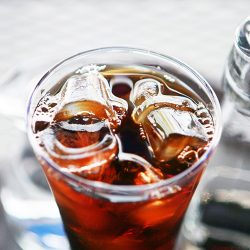
Sugar-free and ‘diet’ drinks no better for healthy weight than full sugar drinks
Sugar-free and "diet" drinks are often seen as the healthier option -- but researchers from Imperial College London have argued that they are no more helpful for maintaining a healthy weight than their full-sugar versions. In a commentary on current research and policy into sweetened drinks, academics from Imperial College London and two Brazilian universities … [Read more...]

Parents purchase frozen dinners for more than convenience
Processed foods are higher in calories, sugar, sodium, and saturated fat than natural foods, but prepackaged, processed meals remain a popular choice for many consumers because they reduce the energy, time, and cooking skills needed to prepare food. Having items like boxed entrees and frozen dinners available at home can contribute to a poor diet, which led researchers from the … [Read more...]
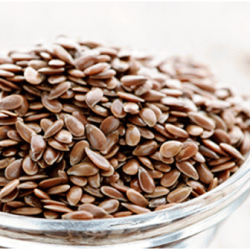
Lung cancer: Protein as potential tool for predicting survival
The biomarker PD-1, a protein, could potentially be used to predict survival or disease-free survival of lung cancer patients who have had the tumour surgically removed. This is substantiated by the results of a study conducted under the direction of the Comprehensive Cancer Center (CCC) of MedUni Vienna and Vienna General Hospital, together with MedUni Graz and the University … [Read more...]
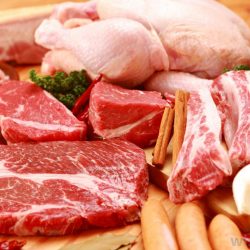
Restaurants not good at explaining risks of undercooked meat to customers
Front-line staff, such as servers in restaurants, are often trusted with providing customers with food safety information regarding their meals. A challenge to the food-service industry is that these positions have high turnover, relatively low wages and servers are focused primarily on providing patrons with a positive experience. And new research shows that this poses a … [Read more...]

Moderate alcohol intake may slow good cholesterol’s decline
In a study of 80,000 healthy Chinese adults, moderate drinking was associated with slower declines in high-density lipoprotein (HDL), or good cholesterol, over time, according to a preliminary study presented at the American Heart Association's Scientific Sessions 2016. Researchers followed alcohol consumption and HDL levels for more than six years in this … [Read more...]
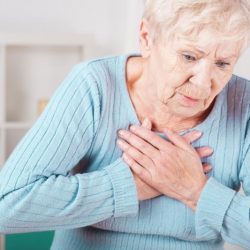
High Protein Diet Linked To Heart Failure In Older Women
Women over the age of 50 who follow a high-protein diet could be at higher risk for heart failure, especially if much of their protein comes from meat, according to preliminary research presented at the American Heart Association's Scientific Sessions 2016. Researchers evaluated the self-reported daily diets of 103,878 women between the ages of 50 and 79 years, from 1993 … [Read more...]
Low Vitamin D Levels linked to Higher Risk of Bladder Cancer
Vitamin D deficiency is associated with an increased risk of developing bladder cancer, according to a systematic review of seven studies presented at the Society for Endocrinology annual conference in Brighton. Though further clinical studies are needed to confirm the findings, the study adds to a growing body of evidence on the importance of maintaining adequate vitamin D … [Read more...]

Canola Oil May Cut Your Belly Fat
Including canola oil in a healthy diet may help reduce abdominal fat in as little as four weeks, according to health researchers. "Visceral, or abdominal, fat increases the risk for cardiovascular disease, and is also associated with increased risk for conditions such as metabolic syndrome and diabetes," said Penny M. Kris-Etherton, Distinguished Professor of Nutrition, … [Read more...]

Most Tweeted Foods: What do tweets say about our health?
"Coffee" was the most tweeted food in the continental U.S. between mid-2014 to mid-2015 followed by "beer" then "pizza." Besides hinting at which foods are popular, tweets may reveal something about our health. Communities that expressed positive sentiments about healthy foods were more likely to be healthier overall. Scientists at the University of Utah surveyed nearly … [Read more...]

Eating Oats Can Lower Cholesterol, New Study Reveals!
Researchers have known for more than 50 years that eating oats can lower cholesterol levels and thus reduce a person's risk of developing cardiovascular disease. Studies during that time have focused on the impact of oats on levels of LDL (or "lousy") cholesterol, which collects in the walls of blood vessels where it can cause blockages or blood clots. But there is … [Read more...]

Vitamins That Will Help During Glaucoma
In general, I recommend that my patients include nutrient-rich foods such as fruits and vegetables as part of a healthy diet. A healthy lifestyle, consisting of balanced nutrition, moderate exercise, and appropriate rest is an important part of your overall health and well-being and can help prevent illness too. The best way to ensure that you're getting all of your … [Read more...]

Research Finds The Effect Of Smoking On Reducing Calorie Intake
A new study shows that smoking reduces calorie intake, possibly modulated by its effect on levels of the hormone ghrelin (also known as the hunger hormone). The study was conducted by Dr Konstantina Zachari and colleagues, Harokopio University Athens, Greece, in collaboration with Athens Medical School Greece. Smoking and its cessation are related to weight change. Those … [Read more...]
Estrogens In Cow’s Milk Does Not Affect Reproductive Health
Estrogen occurs naturally in cow's milk. Recently, there has been concern that consuming milk containing elevated amounts of estrogen could affect blood levels of the hormone in humans, leading to an increased risk of some cancers. A new study published in the Journal of Dairy Science® investigated cow milk's effects on blood hormone levels in adult mice and found that … [Read more...]
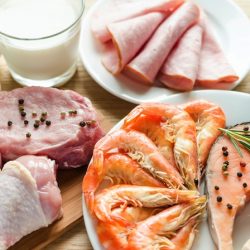
Increased Death Risk Associated With Red Meats, Eggs And Dairy
The largest study to examine the effects of different sources of dietary protein found that a high intake of proteins from animal sources -- particularly processed and unprocessed red meats -- was associated with a higher mortality rate, while a high intake of protein from plant sources was associated with a lower risk of death. Results from the study -- which analyzed data … [Read more...]

Link Between Carbohydrate Consumption And Adropin
In research featured in the August edition of Obesity, Saint Louis University investigator Andrew Butler, Ph.D., and his team report that levels of the peptide hormone adropin vary based on carbohydrate consumption and appear to be linked to lipid metabolism. Butler, who is professor of pharmacology and physiology at SLU, discovered adropin several years ago. Data from … [Read more...]
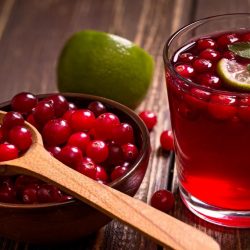
Cranberries Block Bacterial Infections
Illuminating traditional wisdom with chemistry and biophysics, a research team at Worcester Polytechnic Institute (WPI) and the University of Massachusetts Dartmouth has characterized the role of compounds in cranberry juice that block the critical first step in bacterial infections. The results open a potential new area of focus for antibiotic drug development. The … [Read more...]
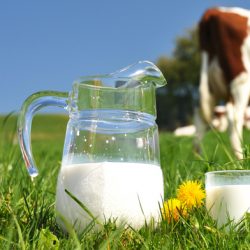
A Happier Cow Gives Healthier Milk
Daily infusions with a chemical commonly associated with feelings of happiness were shown to increase calcium levels in the blood of Holstein cows and the milk of Jersey cows that had just given birth. The results, published in the Journal of Endocrinology, could lead to a better understanding of how to improve the health of dairy cows, and keep the milk flowing. Demand … [Read more...]

Know The Reasons Why Your Diet Plan Isn’t Working?
Sometimes dieters tend to adopt the wrong strategies, often planning to ditch their favorite foods and replace them with less-desirable options, according to new research from Baylor University's Hankamer School of Business. Conversely, successful dieters focus on adding healthy foods -- foods that they actually like, said Meredith David, Ph.D., assistant professor of … [Read more...]

Similar Food Preferences Lead to Better Friendship
How do you build rapport with a new employer or someone on a first date? It turns out that there may be a simple strategy that's often overlooked: eat the same food as your companion. Researchers from the University of Chicago launched a series of experiments to determine whether similar food consumption facilitates a sense of closeness and trust between adults, and … [Read more...]
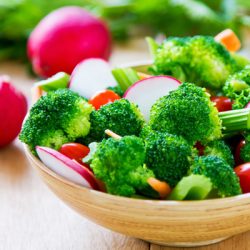
Low-Calorie Diet Can Extend Your Lifespan
Overeating can lead to health issues that can shorten one's life, such as obesity, diabetes and heart disease. On the other end of the spectrum, several studies have shown that restricting calorie intake below what a normal diet would dictate may lead to a longer life. In an animal study, scientists now report in ACS' Journal of Proteome Research the metabolic reasons why these … [Read more...]
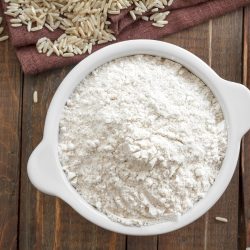
The Secret of Resistant Starch
The secret ingredient is in the flour, but its impact lies within the gut. Adding resistant starch to the diets of people with metabolic syndrome can improve bacteria in the gut, according to research from South Dakota State University. These changes help lower bad cholesterol and decrease inflammation associated with obesity. The American Heart Association estimates that 34 … [Read more...]

Coffee: Benefits outweigh Risks
Coffee is enjoyed by millions of people every day and the 'coffee experience' has become a staple of our modern life and culture. While the current body of research related to the effects of coffee consumption on human health has been contradictory, a study in the June issue of Comprehensive Reviews in Food Science and Food Safety, which is published by the Institute of Food … [Read more...]

Minimum legal drinking age of 21 can protect against later risk of death
The minimum legal drinking age (MLDA) in the U.S. regulates the age at which individuals can legally purchase and possess alcohol in public. An MLDA of 21 has been linked to a number of benefits, including a lower risk for alcoholism in adulthood. However, no studies have examined linkages between exposure to MLDAs during young adulthood and mortality later in life. This study … [Read more...]
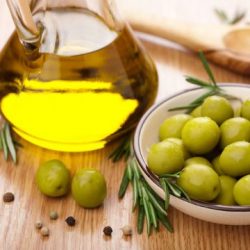
Olive Oil: Mycobacterium for cancer treatment
Researchers at the Universitat Autònoma de Barcelona (UAB) with the collaboration of the Institute for Bioengineering of Catalonia (IBEC), led by the professor of the UAB Department of Genetics and Microbiology Esther Julián, announced one year ago that the cells of the Mycobacterium brumae offer an improved alternative to current bladder cancer treatments such as BCG (an … [Read more...]
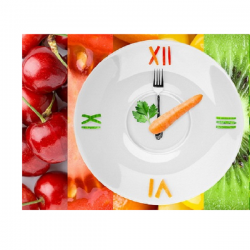
Eating Patterns Are As Important As Eating Right
In a review of research on the effect of meal patterns on health, the few studies available suggest that eating irregularly is linked to a higher risk of metabolic syndrome (high blood pressure, type 2 diabetes and obesity). The limited evidence highlights the need for larger scale studies to better understand the impact of chrono-nutrition on public health, argue the authors … [Read more...]

Exercise four hours later to boost your memory!
A new study suggests an intriguing strategy to boost memory for what you've just learned: hit the gym four hours later. The findings reported in the Cell Press journal Current Biology show that physical exercise after learning improves memory and memory traces, but only if the workout is done in a specific time window and not immediately after learning. "It shows that … [Read more...]

Preference for sweet foods influenced by Age and Obesity
As young people reach adulthood, their preferences for sweet foods typically decline. But for people with obesity, new research suggests that the drop-off may not be as steep and that the brain's reward system operates differently in obese people than in thinner people, which may play a role in this phenomenon. "We believe we may have identified a new abnormality in the … [Read more...]

Can overeating lead to more eating?
A new study has uncovered a method by which the gut senses how much food a person eats and relays that to the brain. When the gut senses too many calories, a pathway that promotes the feeling of fullness becomes blocked. Through earlier studies on colon cancer, Thomas Jefferson University researchers led by Scott Waldman, M.D., Ph.D., Chair of the Department of Pharmacology … [Read more...]
- « Previous Page
- 1
- …
- 5
- 6
- 7
- 8
- 9
- …
- 44
- Next Page »
