
Predicting preterm birth can be difficult, especially for women who have not given birth. It has long been known that the best predictor of preterm birth is someone who has had a prior preterm birth; however, this information is helpful only in second and subsequent pregnancies. For women in their first pregnancy, it is a challenge for obstetricians and midwives to advise them … [Read more...]
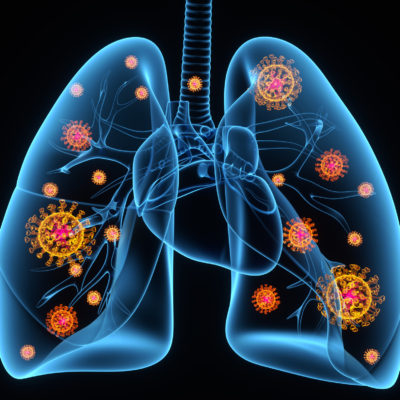
Three reasons why COVID-19 can cause silent hypoxia
Scientists are still solving the many puzzling aspects of how the novel coronavirus attacks the lungs and other parts of the body. One of the biggest and most life-threatening mysteries is how the virus causes "silent hypoxia," a condition when oxygen levels in the body are abnormally low, which can irreparably damage vital organs if gone undetected for too long. Now, thanks to … [Read more...]

Why heat stress damages sperm
University of Oregon biologists have used the model organism Caenorhabditis elegans to identify molecular mechanisms that produce DNA damage in sperm and contribute to male infertility following exposure to heat. In humans, the optimal temperature for sperm production is just below body temperature, in a range of about 90-95 degrees F. Human studies have found that exposure … [Read more...]

Molecular Processes in Kidney Cells discovered that attract and feed COVID-19
Although the lungs are a common target for COVID-19's cytokine storm, so are the kidneys, making the 1 in 4 U.S. adults with diabetes resulting in diabetic kidney disease at increased risk for virus mortality. Why are the kidneys so attractive to the coronavirus? Recently published in Kidney International, a national research team made up of kidney clinicians, … [Read more...]

Technology shines the light on ovarian cancer treatments
Scientists estimate that nearly 60% of all cancer patients do not respond effectively to chemotherapy treatments. Even worse -- many of those same patients experience toxic and sometimes deadly side effects. Now, a Purdue University scientist and entrepreneur is working to use simple LED light to help determine if certain chemotherapy options will work for specific … [Read more...]

Talc and petroleum jelly among the best lubricants for people wearing PPE, study finds
For frontline healthcare workers during the COVID-19 pandemic, wearing personal protective equipment (PPE) like face visors, googles, and respiratory protective equipment is an essential part of working life. More workers are wearing facial PPE now than ever before, often for extended periods of time, to protect them against the SARS-CoV-2 virus. However, extended PPE use, … [Read more...]

800 million children still exposed to lead
As many as 800 million children have dangerously high lead values in their blood. The neurotoxin can cause permanent brain damage. The huge international numbers come from a new report from Pure Earth and UNICEF. Pure Earth works to solve pollution problems that can be harmful to humans. "A child's earliest years of life are characterized by rapid growth and brain … [Read more...]
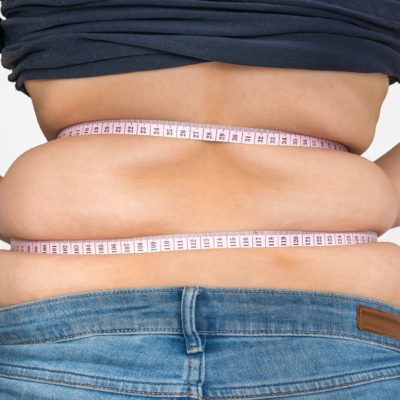
Genetic differences in body fat shape men and women’s health risks
New research is revealing how genetic differences in the fat in men's and women's bodies affect the diseases each sex is likely to get. University of Virginia researchers Mete Civelek, PhD, Warren Anderson, PhD, and their collaborators have determined that differences in fat storage and formation in men and women strongly affect the activity of 162 different genes found in … [Read more...]
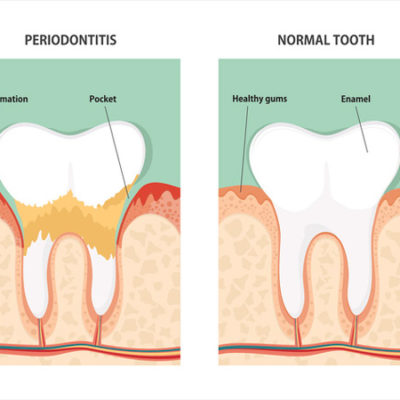
How changing the stem cell response to inflammation may reverse periodontal disease
Periodontal disease, also known as gum disease, is a serious infection that affects nearly 50 percent of Americans aged 30 years and older. If left unchecked, periodontal disease can destroy the jawbone and lead to tooth loss. The disease is also associated with higher risk of diabetes and cardiovascular disease. The current treatment for periodontal disease involves … [Read more...]

Yoga and Meditation reduce chronic pain
A mindfulness-based stress reduction (MBSR) course was found to benefit patients with chronic pain and depression, leading to significant improvement in participant perceptions of pain, mood and functional capacity, according to a study in the Journal of the American Osteopathic Association. Most of the study respondents (89%) reported the program helped them find ways to … [Read more...]

The link between stress and depression
Researchers at Karolinska Institutet in Sweden have identified a protein in the brain that is important both for the function of the mood-regulating substance serotonin and for the release of stress hormones, at least in mice. The findings, which are published in the journal Molecular Psychiatry, may have implications for the development of new drugs for depression and … [Read more...]

Estrogen may Lessen Severity of COVID-19 Symptoms in Women, study finds
Why are men at greater risk than women for more severe symptoms and worse outcomes from COVID-19 regardless of age? In an effort to understand why this occurs, scientists at Wake Forest School of Medicine conducted a review of published preclinical data on sex-specific hormone activity, especially estrogen. The review is published in the September online issue of the … [Read more...]

Lifestyle Choices can Reduce the Risk of Chronic Kidney Disease
Active lifestyle choices such as eating vegetables, exercising and quitting smoking can reduce the risk of chronic kidney disease, a new study led by researchers at Karolinska Institutet in Sweden and Griffith University in Australia, reports. The study is published in The Journal of the American Society of Nephrology. About 10 percent of the world population suffers from … [Read more...]

Vitamin C could help over 50s Retain Muscle Mass
Vitamin C could be the key to better muscles in later life, according to new research from the University of East Anglia (UEA). A study published today shows that older people who eat plenty of vitamin C -- commonly found in citrus fruits, berries and vegetables -- have the best skeletal muscle mass. This is important because people tend to lose skeletal muscle mass as … [Read more...]
Vitamin D Deficiency may Raise Risk of Getting COVID-19, study finds
In a retrospective study of patients tested for COVID-19, researchers at the University of Chicago Medicine found an association between vitamin D deficiency and the likelihood of becoming infected with the coronavirus. "Vitamin D is important to the function of the immune system and vitamin D supplements have previously been shown to lower the risk of viral respiratory … [Read more...]

Endometriosis: No cure, but diagnosis could avert surgery
The 21-year-old University of South Australia (UniSA) journalism student has lived with the condition for five years after first experiencing symptoms at age 16, but it has taken invasive laparoscopic surgery for an official diagnosis. Keyhole surgery is the standard option to reliably diagnose the three types of endometriosis (peritoneal, ovarian and deep infiltrating … [Read more...]

Researchers identify Proteins that Prevent COVID-19 Transmission through the Placenta
Researchers from Boston Medical Center's Maxwell Finland Laboratory for Infectious Diseases have identified properties in placenta tissue that may play an important role in preventing the transmission of COVID-19 from a mother with the virus to her fetus. The study results demonstrate that the COVID-19 virus universally invades the placenta in cases with and without … [Read more...]
Targeted Drug found Effective in Patients who have Lung Cancer with Certain Mutations
A targeted therapy called capmatinib can provide significant benefits to patients who have advanced lung cancer with specific gene mutations, according to recently published results from a phase two clinical trial. The trial, which is published in the New England Journal of Medicine, was conducted by an international team led by investigators at Massachusetts General Hospital … [Read more...]
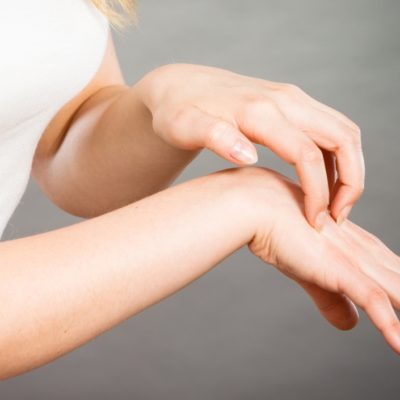
Rubbing skin Activates itch-relief Neural Pathway
Stop scratching: rubbing skin activates an anti-itch pathway in the spinal cord, according to research in mice recently published in JNeurosci. It can be hard to resist the relief of scratching an itch, even though scratching damages skin, especially in sensitive areas like the eyes. But stroking can relieve an itch, too. Sakai et al. investigated the neural pathway … [Read more...]

Children use both brain hemispheres to understand language, unlike adults
Infants and young children have brain with a superpower, of sorts, say Georgetown University Medical Center neuroscientists. Whereas adults process most discrete neural tasks in specific areas in one or the other of their brain's two hemispheres, youngsters use both the right and left hemispheres to do the same task. The finding suggests a possible reason why children appear to … [Read more...]
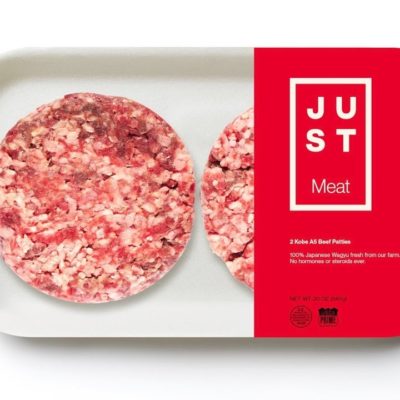
Gen Z not ready to eat lab-grown meat
New research by the University of Sydney and Curtin University to published on 8 September in Frontiers in Nutrition, found that, despite having a great concern for the environment and animal welfare, 72 percent of Generation Z were not ready to accept cultured meat -- defined in the survey as a lab-grown meat alternative produced by in-vitro cell cultures of animal cells, … [Read more...]

To improve students’ mental health, study finds, teach them to breathe
When college students learn specific techniques for managing stress and anxiety, their wellbeing improves across a range of measures and leads to better mental health, a new Yale study finds. The research team evaluated three classroom-based wellness training programs that incorporate breathing and emotional intelligence strategies, finding that two led to improvements in … [Read more...]

Researcher seeks safer, more effective leukemia treatment
A potentially safer, more effective chemotherapy treatment for patients with blood-related cancers, such as leukemia, who need a particular bone marrow transplant procedure is under study at the University of Arizona Health Sciences. The procedure is known as a haploidentical (half-matched) bone marrow transplantation, or "haplo-BMT," providng an alternative source of stem … [Read more...]
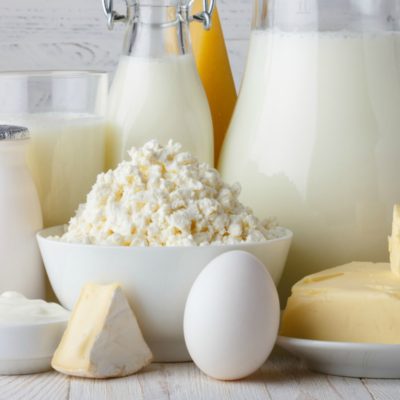
An easier way to go veggie: Vitamin B12 can be produced during dough fermentation
Vitamin B12 is an essential micronutrient that is needed for functions such as maintaining the nervous system and forming blood cells. However, B12 is mainly found in food of animal origin. Those who consume only small amounts of animal products or are vegan must therefore take B12 in the form of pills or eat food to which industrially produced B12 has been added. "In situ … [Read more...]

Can sleep protect us from forgetting old memories?
From lowering your risk of obesity and cardiovascular disease to improving your concentration and overall daily performance, sleep has been proven to play a critical role in our health. In a new study, researchers at University of California San Diego School of Medicine report that sleep may also help people to learn continuously through their lifetime. Writing in the August … [Read more...]

Increased global mortality linked to arsenic exposure in rice-based diets
Rice is the most widely consumed staple food source for a large part of the world's population. It has now been confirmed that rice can contribute to prolonged low-level arsenic exposure leading to thousands of avoidable premature deaths per year. Arsenic is well known acute poison, but it can also contribute to health problems, including cancers and cardiovascular diseases, … [Read more...]

PROSIT app tracks your mental health based on how you use your phone
Have you ever wondered if your phone is helpful or harmful to your mental health? Well, now there's an app that could tell you. As our phones get smarter by the year, the debate around just how detrimental they might be to our mental health continues without any definitive resolution. Does using Instagram make you aspirational or just plain … [Read more...]
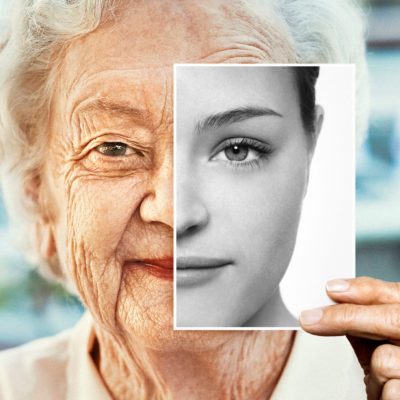
Blood iron levels could be key to slowing aging, gene study shows
Genes linked to ageing that could help explain why some people age at different rates to others have been identified by scientists. The international study using genetic data from more than a million people suggests that maintaining healthy levels of iron in the blood could be a key to ageing better and living longer. The findings could accelerate the development of drugs … [Read more...]
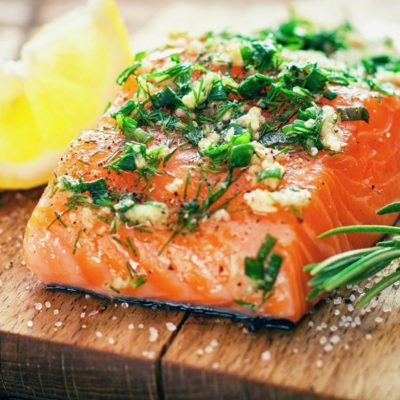
Does eating fish protect our brains from air pollution?
Older women who eat more than one to two servings a week of baked or broiled fish or shellfish may consume enough omega-3 fatty acids to counteract the effects of air pollution on the brain, according to a new study published in the July 15, 2020, online issue of Neurology®, the medical journal of the American Academy of Neurology. Researchers found that among older women … [Read more...]
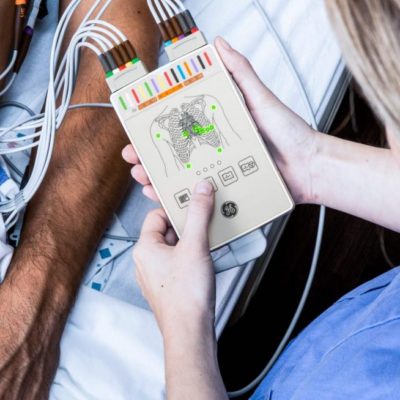
New diagnostic test for heart failure patients could also help COVID-19 patients
A new blood test that reliably predicts outcomes for heart failure patients could lead to new diagnostics and treatments for COVID-19 patients as well, according to newly published research from cardiologists at the University of Alberta. The researchers examined circulating angiotensin peptide levels in the blood of 110 people who were experiencing heart failure due to a … [Read more...]
- « Previous Page
- 1
- …
- 19
- 20
- 21
- 22
- 23
- …
- 426
- Next Page »
