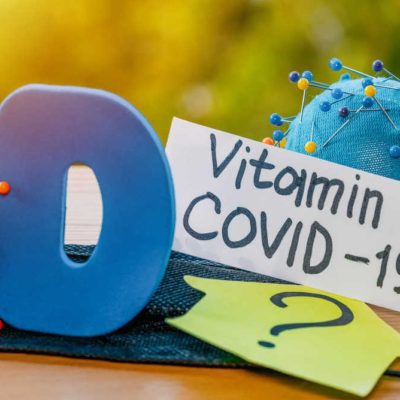
In a retrospective study of patients tested for COVID-19, researchers at the University of Chicago Medicine found an association between vitamin D deficiency and the likelihood of becoming infected with the coronavirus. "Vitamin D is important to the function of the immune system and vitamin D supplements have previously been shown to lower the risk of viral respiratory … [Read more...]
Nutrition & Wellness


An easier way to go veggie: Vitamin B12 can be produced during dough fermentation
Vitamin B12 is an essential micronutrient that is needed for functions such as maintaining the nervous system and forming blood cells. However, B12 is mainly found in food of animal origin. Those who consume only small amounts of animal products or are vegan must therefore take B12 in the form of pills or eat food to which industrially produced B12 has been added. "In situ … [Read more...]

Increased global mortality linked to arsenic exposure in rice-based diets
Rice is the most widely consumed staple food source for a large part of the world's population. It has now been confirmed that rice can contribute to prolonged low-level arsenic exposure leading to thousands of avoidable premature deaths per year. Arsenic is well known acute poison, but it can also contribute to health problems, including cancers and cardiovascular diseases, … [Read more...]
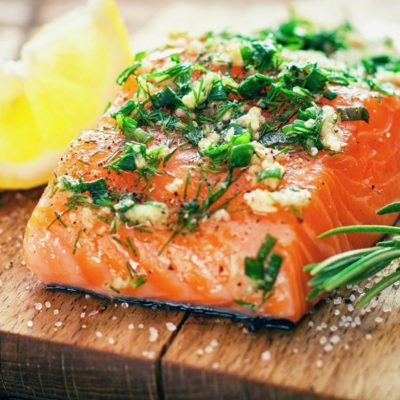
Does eating fish protect our brains from air pollution?
Older women who eat more than one to two servings a week of baked or broiled fish or shellfish may consume enough omega-3 fatty acids to counteract the effects of air pollution on the brain, according to a new study published in the July 15, 2020, online issue of Neurology®, the medical journal of the American Academy of Neurology. Researchers found that among older women … [Read more...]
Gut Bacteria may modify behavior in Worms, influencing Eating Habits
Gut bacteria are tiny but may play an out-sized role not only in the host animal's digestive health, but in their overall well-being. According to a new study in Nature, specific gut bacteria in the worm may modify the animal's behavior, directing its dining decisions. The research was funded in part by the National Institutes of Health. "We keep finding surprising roles for … [Read more...]

Physical activity prevents almost 4 million early deaths worldwide each year
At least 3.9 million early deaths are being averted worldwide every year by people being physically active, according to a new study published in The Lancet Global Health today by researchers at the Universities of Cambridge and Edinburgh. The team behind the study argue that too often we focus on the negative health consequences of poor levels of physical activity when we … [Read more...]
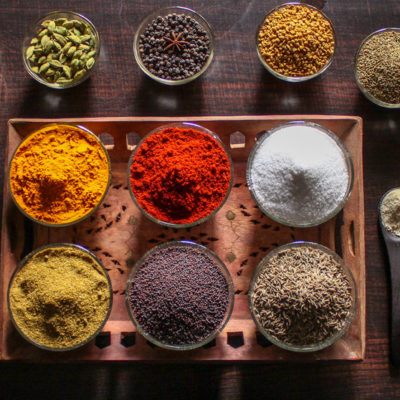
Adding a blend of spices to a meal may help lower inflammation
Adding an array of spices to your meal is a surefire way to make it more tasty, but new Penn State research suggests it may increase its health benefits, as well. In a randomized, controlled feeding study, the researchers found that when participants ate a meal high in fat and carbohydrates with six grams of a spice blend added, the participants had lower inflammation … [Read more...]

A disease trigger for pancreatitis has been identified
Patients suffering from chronic pancreatitis experience an either recurring or permanent inflammation of their pancreas. "In many cases, people develop this disease because they are drinking too much alcohol or they are smoking too much. Certain medication or high levels of lipids or calcium in a patient's blood can be another cause of pancreatitis," explained Heiko Witt, one … [Read more...]

Drinking sugary drinks daily may be linked to higher risk of CVD in women
Drinking one or more sugary beverages a day was associated with a nearly 20% greater likelihood of women having a cardiovascular disease compared to women who rarely or never drank sugary beverages, according to new research published today in the Journal of the American Heart Association, an open access journal of the American Heart Association. In the large, ongoing … [Read more...]

More berries, apples and tea may have protective benefits against Alzheimer’s
Older adults who consumed small amounts of flavonoid-rich foods, such as berries, apples and tea, were two to four times more likely to develop Alzheimer's disease and related dementias over 20 years compared with people whose intake was higher, according to a new study led by scientists at the Jean Mayer USDA Human Nutrition Research Center on Aging (USDA HNRCA) at Tufts … [Read more...]

Mammogram screening and high fiber diet help combat breast cancer
The key to spotting breast cancer and reducing the risk of fatal disease is early detection and screening. Diagnosing the illness early on helps improve health outcomes. New research shows that participation in mammography screening substantially reduces the rate of advanced and fatal breast cancer. A team of researchers at Falun Central Hospital in Sweden has … [Read more...]
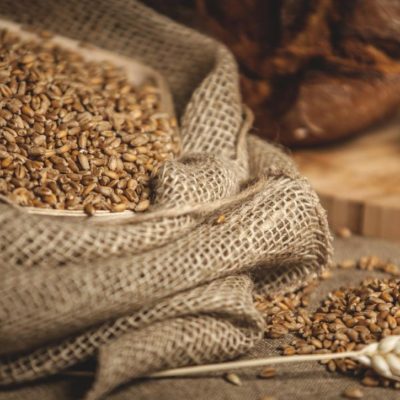
Good news for the wheat-sensitive among us
New research has heralded a promising step for sufferers of wheat sensitivity or allergy. A joint project between Edith Cowan University (ECU) in Australia and CSIRO has revealed key insights about the proteins causing two of the most common types of wheat sensitivity -- non-coeliac wheat sensitivity and occupational asthma (baker's asthma). With an estimated 10 per cent … [Read more...]
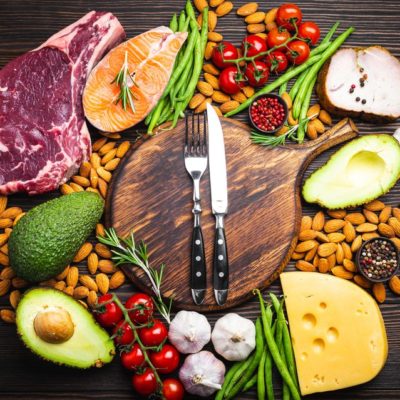
Diet may help preserve cognitive function
According to a recent analysis of data from two major eye disease studies, adherence to the Mediterranean diet -- high in vegetables, whole grains, fish, and olive oil -- correlates with higher cognitive function. Dietary factors also seem to play a role in slowing cognitive decline. Researchers at the National Eye Institute (NEI), part of the National Institutes of Health, led … [Read more...]
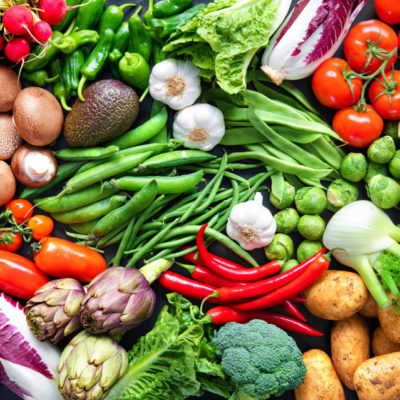
Fiber consumption linked to lower breast cancer risk
Consuming a diet high in fiber was linked with a reduced incidence of breast cancer in an analysis of all relevant prospective studies. Because studies have generated inconsistent results regarding the potential relationship between fiber intake and breast cancer, Maryam Farvid, PhD, of the Harvard T.H. Chan School of Public Health, and her colleagues searched for all … [Read more...]

Researchers help restore hormonal balance disrupted in metabolic diseases
Many health problems in the developed world stem from the disruption of a delicate metabolic balance between glucose production and energy utilization in the liver. Now Yale scientists report March 4 in the journal Nature that they have discovered the molecular mechanisms that trigger metabolic imbalance between these two distinct but linked processes, a finding with … [Read more...]
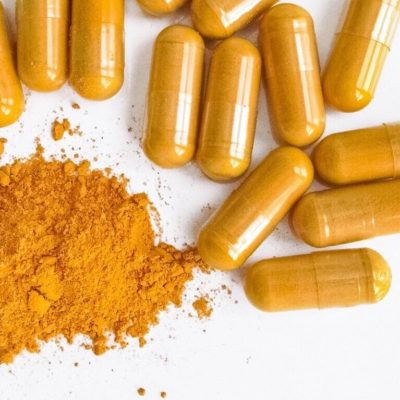
Curcumin is the spice of life when delivered via tiny nanoparticles
For years, curry lovers have sworn by the anti-inflammatory properties of turmeric, but its active compound, curcumin, has long frustrated scientists hoping to validate these claims with clinical studies. The failure of the body to easily absorb curcumin has been a thorn in the side of medical researchers seeking scientific proof that curcumin can successfully treat cancer, … [Read more...]
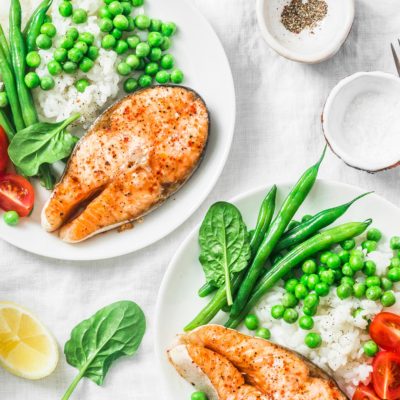
Mediterranean diet for one year promotes gut bacteria linked to ‘healthy aging’
Eating a Mediterranean diet for a year boosts the types of gut bacteria linked to 'healthy' ageing, while reducing those associated with harmful inflammation in older people, indicates a five-country study, published online in the journal Gut. As ageing is associated with deteriorating bodily functions and increasing inflammation, both of which herald the onset of … [Read more...]
Possible new treatment strategy for fatty liver disease
Researchers at Karolinska Institutet in Sweden have identified a molecular pathway that when silenced could restore the normal function of immune cells in people with fatty liver disease. The findings could lead to new strategies for treating the condition, which is a major health risk for people with obesity. The study is published in the scientific journal Science … [Read more...]

America’s most widely Consumed Oil Causes Genetic changes in the Brain
New UC Riverside research shows soybean oil not only leads to obesity and diabetes, but could also affect neurological conditions like autism, Alzheimer's disease, anxiety, and depression. Used for fast food frying, added to packaged foods, and fed to livestock, soybean oil is by far the most widely produced and consumed edible oil in the U.S., according to the … [Read more...]

Global Diets are Converging, with Benefits and Problems
Research carried out by the University of Kent has shown that diets are changing in complex ways worldwide. International food supply patterns are supporting healthier diets in parts of the world, but causing underweight and obesity elsewhere. They are also having important effects on environmental sustainability, with potentially worrying consequences. Dr James Bentham, … [Read more...]

A replacement for exercise?
Whether it be a brisk walk around the park or high intensity training at the gym, exercise does a body good. But what if you could harness the benefits of a good workout without ever moving a muscle? Michigan Medicine researchers studying a class of naturally occurring protein called Sestrin have found that it can mimic many of exercise's effects in flies and mice. The … [Read more...]
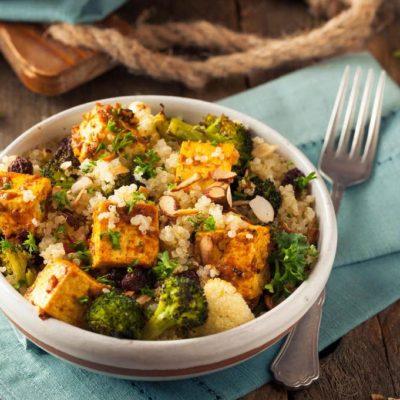
Humans Must Adopt Vegetarian and Vegan Diets to Curb Climate Change, Says UN Report
A UN report has now warned that the world must turn towards healthy plant based diets to stop climate change. According to the report, human food system, that accounts for around 25 to 30 per cent of greenhouse gases, and is choking life from fresh and coastal waterways with excess nitrogen. According to a news published in Daily Mail, the report further states that in order to … [Read more...]

We love coffee, tea, chocolate and soft drinks so much, caffeine is literally in our blood
Scientists at Oregon State University may have proven how much people love coffee, tea, chocolate, soda and energy drinks as they validated their new method for studying how different drugs interact in the body. In conducting mass spectrometry research, Richard van Breemen and Luying Chen worked with various biomedical suppliers to purchase 18 batches of supposedly pure … [Read more...]

What and how much we eat might change our internal clocks and hormone responses
For the first time, a study shows how glucocorticoid hormones, such as cortisol, control sugar and fat levels differently during day and night, feeding and fasting, rest and activity, over the course of 24 hours. The research conducted in mice found that the time-of-day dependent metabolic cycle is altered by high caloric diet. Since glucocorticoids are widely used drugs … [Read more...]

Fitness News : Women Fitness High-Protein Diets Curb Appetite
People on low-carb, high-protein diets swear they feel more full after eating less food. Now, French researchers are helping to explain why. In a study conducted in rats, researchers found diets rich in protein cause the small intestine to produce more glucose. The liver picks up on this additional production and sends a message to the brain, where it is interpreted as a … [Read more...]

Red Bull energy drink does not improve a person’s physical performance
Energy drinks – usually a mixture of caffeine, taurine, carbohydrates, B-complex vitamins and gluconolactone – have become very popular in recent years. Although several studies support the widespread belief that energy drinks may enhance mood and/or improve cognitive and physical performance, very little research has investigated their purported ability to delay the depressant … [Read more...]

Gluten response in celiac patients could lead to diagnostic test
Distinct markers in the blood of people with celiac disease have been detected within a few hours of gluten being consumed. The findings address a longstanding mystery about what drives the adverse reaction to gluten in celiac disease and could lead to a world-first blood test for diagnosing the disease. A potential blood-based test would be a vast improvement on the … [Read more...]
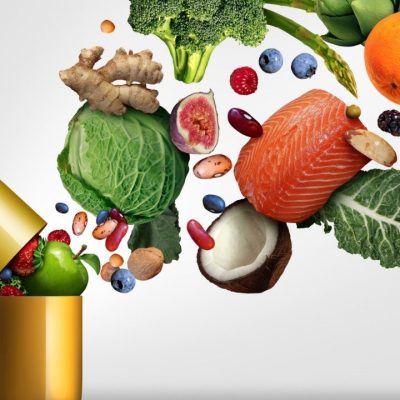
Vast majority of dietary supplements don’t improve heart health or put off death, study finds
In a massive new analysis of findings from 277 clinical trials using 24 different interventions, Johns Hopkins Medicine researchers say they have found that almost all vitamin, mineral and other nutrient supplements or diets cannot be linked to longer life or protection from heart disease. Although they found that most of the supplements or diets were not associated with … [Read more...]
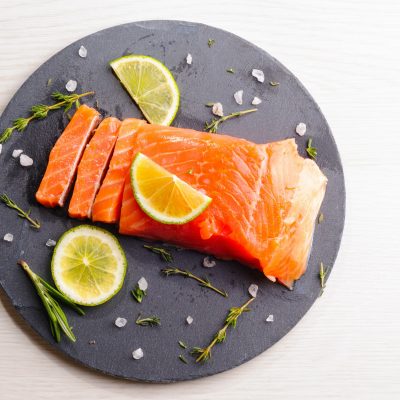
Fatty fish without environmental pollutants protect against type 2 diabetes
Research on the effect of fish consumption on diabetes risk has produced contradictory results in recent years. Some studies show that eating a lot of fish reduces the risk of developing type 2 diabetes, while others show it has no effect, and some studies show it even tends to increase the risk. Researchers at Chalmers University of Technology conducted a study with an … [Read more...]

Here’s why moderate drinking is probably not good for you
As a society, we love drinking. There are people who abstain, but by and large we love to drink alcohol – it’s part of our social culture, part of our collective identity, and so pervasive that it can be hard to escape from even if you try. As anyone who’s attempted a Dry July can attest, booze is something that we are all connected to in myriads of ways. So stories about … [Read more...]
- « Previous Page
- 1
- …
- 3
- 4
- 5
- 6
- 7
- …
- 44
- Next Page »
