
In women with a history of miscarriage, higher levels of physical activity were associated with a greater risk of subclinical, or very early, pregnancy loss, according to new research at the University of Massachusetts Amherst. Among women with confirmed pregnancy, physical activity and miscarriage risk were unrelated. "Risk related to physical activity is different for … [Read more...]

Inexpensive retinal diagnostics via smartphone
Retinal damage due to diabetes is now considered the most common cause of blindness in working-age adults. In low- and middle-income countries, an eye examination via smartphone could help to detect changes at an early stage. This is shown by a new study carried out by scientists from the University of Bonn together with colleagues from Sankara Eye Hospital Bangalore (India). … [Read more...]

Obesity not related to how close you live to fast food or gyms
A new study from Lund University in Sweden has shown no correlation between obesity and how close you live to fast food restaurants or gyms. Studies from other countries have previously indicated that these factors may be important in adult obesity. The areas where we live are known to be important for our health. For example, obesity is more prevalent in deprived … [Read more...]

Adding a blend of spices to a meal may help lower inflammation
Adding an array of spices to your meal is a surefire way to make it more tasty, but new Penn State research suggests it may increase its health benefits, as well. In a randomized, controlled feeding study, the researchers found that when participants ate a meal high in fat and carbohydrates with six grams of a spice blend added, the participants had lower inflammation … [Read more...]

New approach to some mental disorders
Some of the most common mental disorders, including depression, anxiety and PTSD, might not be disorders at all, according to a recent paper by Washington State University biological anthropologists. In the paper, published in the Yearbook of Physical Anthropology, the researchers propose a new approach to mental illness that would be informed by human evolution, noting that … [Read more...]

How maternal intestinal microbiota is involved in fetal development
All mammals, including humans, are colonized by billions of microbes. These mainly live in our intestines but can also be found in the respiratory tract, on the skin and in the urogenital tract. In the gastroenterology research group of the Department for BioMedical Reserarch (DBMR) at the University of Bern and at the University Hospital Bern, Inselspital, Stephanie … [Read more...]

Dementia gene raises risk of severe COVID-19
Having a faulty gene linked to dementia doubles the risk of developing severe COVID-19, according to a large-scale study. Researchers at the University of Exeter Medical School and the University of Connecticut School of Medicine analysed data from the UK Biobank, and found high risk of severe COVID-19 infection among European ancestry participants who carry two faulty … [Read more...]

Tiny RNA that should attack coronavirus diminish with age, disease
A group of tiny RNA that should attack the virus causing COVID-19 when it tries to infect the body are diminished with age and chronic health problems, a decrease that likely helps explain why older individuals and those with preexisting medical conditions are vulnerable populations, investigators report. MicroRNAs play a big role in our body in controlling gene expression, … [Read more...]

Vitamin B3 revitalizes energy metabolism in muscle disease
An international team of scientists, led by University of Helsinki reported that vitamin B3, niacin, has therapeutic effect in progressive muscle disease. Niacin delayed disease progression in patients with mitochondrial myopathy, a progressive disease with no previous curative treatments. Vitamin B3 forms have recently emerged as potent boosters of energy metabolism in … [Read more...]
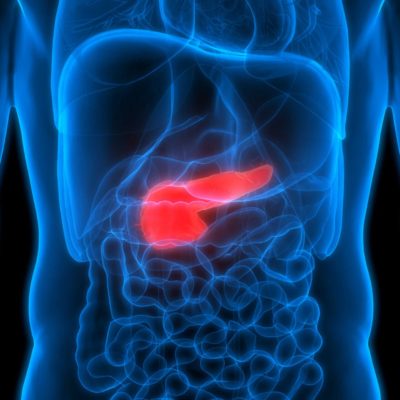
A disease trigger for pancreatitis has been identified
Patients suffering from chronic pancreatitis experience an either recurring or permanent inflammation of their pancreas. "In many cases, people develop this disease because they are drinking too much alcohol or they are smoking too much. Certain medication or high levels of lipids or calcium in a patient's blood can be another cause of pancreatitis," explained Heiko Witt, one … [Read more...]

Skin-to-skin ‘kangaroo care’ shows important benefits for premature babies
A world-first study led by Monash University has demonstrated significant benefits to a premature baby's heart and brain function when held by the parent in skin-to-skin contact. Parent-infant skin-to-skin care (SSC) or kangaroo care, started in the late 1970s in Columbia when incubators to keep babies warm were not available. It is now widely recognized as a beneficial … [Read more...]

Aerobics may be a smart workout for your brain at any age
It's never too late to lace up some sneakers and work up a sweat for brain health, according to a study published in the May 13, 2020, online issue of Neurology®, the medical journal of the American Academy of Neurology. The study suggests older adults, even couch potatoes, may perform better on certain thinking and memory tests after just six months of aerobic … [Read more...]

Coffee linked to lower body fat in women
Women who drink two or three cups of coffee a day have been found to have lower total body and abdominal fat than those who drink less, according to a new study published in The Journal of Nutrition. Researchers examined data from the National Health and Nutrition Examination Survey, organised by the Center for Disease Control (CDC) in the United States and looked at the … [Read more...]

Drinking sugary drinks daily may be linked to higher risk of CVD in women
Drinking one or more sugary beverages a day was associated with a nearly 20% greater likelihood of women having a cardiovascular disease compared to women who rarely or never drank sugary beverages, according to new research published today in the Journal of the American Heart Association, an open access journal of the American Heart Association. In the large, ongoing … [Read more...]

More berries, apples and tea may have protective benefits against Alzheimer’s
Older adults who consumed small amounts of flavonoid-rich foods, such as berries, apples and tea, were two to four times more likely to develop Alzheimer's disease and related dementias over 20 years compared with people whose intake was higher, according to a new study led by scientists at the Jean Mayer USDA Human Nutrition Research Center on Aging (USDA HNRCA) at Tufts … [Read more...]

For better migraine treatment, try adding some downward dogs
Adding yoga to your regularly prescribed migraine treatment may be better than medication alone, according to a study published in the May 6, 2020, online issue of Neurology®, the medical journal of the American Academy of Neurology. The new research suggests yoga may help people with migraines have headaches that happen less often, don't last as long and are less … [Read more...]

Mammogram screening and high fiber diet help combat breast cancer
The key to spotting breast cancer and reducing the risk of fatal disease is early detection and screening. Diagnosing the illness early on helps improve health outcomes. New research shows that participation in mammography screening substantially reduces the rate of advanced and fatal breast cancer. A team of researchers at Falun Central Hospital in Sweden has … [Read more...]

An obesity protein discovery may lead to better treatments
A USC-led international team of scientists has found the precise shape of a key player in human metabolism, which could lead the way to better treatments for obesity and other metabolic disease. For the study, the scientists focused on a protein in the brain, the melanocortin 4 receptor (or MC4R). This receptor helps with regulating the body's energy balance by controlling … [Read more...]

Good news for the wheat-sensitive among us
New research has heralded a promising step for sufferers of wheat sensitivity or allergy. A joint project between Edith Cowan University (ECU) in Australia and CSIRO has revealed key insights about the proteins causing two of the most common types of wheat sensitivity -- non-coeliac wheat sensitivity and occupational asthma (baker's asthma). With an estimated 10 per cent … [Read more...]

Everything is not fine: Kids can tell when parents suppress their stress
Stress is common in a family setting, especially when people are spending so much time together under stay-at-home measures meant to slow the spread of COVID-19. New research finds that parents suppressing feelings of stress around their kids can actually transmit those feelings to the children. In a paper published in Journal of Family Psychology, Sara Waters, assistant … [Read more...]

Scientists shed light on action of key tuberculosis drug
A new study led by scientists at the University of Birmingham has shed fresh light on how a key front-line drug kills the tuberculosis bacterium. The research paves the way for development of new antibiotic drugs targeted at emerging strains of TB. Tuberculosis (TB) remains a global health challenge, responsible for around 1.5 million deaths each year, with particularly … [Read more...]

New understanding of asthma medicines could improve future treatment
New research has revealed new insights into common asthma aerosol treatments to aid the drug's future improvements which could benefit hundreds of millions of global sufferers. Lung diseases such as asthma are a major global health burden, with an estimated 330 million asthma sufferers worldwide. The most effective treatments are through direct inhalation of medicine to the … [Read more...]

Biomechanics of skin can perform useful tactile computations
As our body's largest and most prominent organ, the skin also provides one of our most fundamental connections to the world around us. From the moment we're born, it is intimately involved in every physical interaction we have. Though scientists have studied the sense of touch, or haptics, for more than a century, many aspects of how it works remain a mystery. "The sense … [Read more...]

Childhood exposure to parental smoking linked to poorer cognitive function in midlife
A Finnish study coordinated by the Research Centre of Applied and Preventive Cardiovascular Medicine at the University of Turku, Finland, shows that exposure to parental smoking in childhood and adolescence is associated with poorer learning ability and memory in midlife. With the aging population, cognitive deficits such as difficulties in learning and memory are becoming … [Read more...]

How exercise supports your mental fitness: Current recommendations
A healthy body is home to a healthy mind: sporting activity can improve your cognitive performance. However, there are numerous different types of sports and a wide range of exercise and training. Which type and how much exercise will keep your mind in top shape? This is the question that has been explored by researchers at the University of Basel and their colleagues at the … [Read more...]

A gut-to-brain circuit drives sugar preference and may explain sugar cravings
A little extra sugar can make us crave just about anything, from cookies to condiments to coffee smothered in whipped cream. But its sweetness doesn't fully explain our desire. Instead, new research shows this magic molecule has a back channel to the brain. Like other sweet-tasting things, sugar triggers specialized taste buds on the tongue. But it also switches on an … [Read more...]

Traditional vegetable diet lowers the risk of premature babies
It turns out we should follow our parent's advice when we're thinking about becoming parents ourselves, with a study finding eating the traditional 'three-vegies' before pregnancy lowers the risk of a premature birth. University of Queensland PhD candidate Dereje Gete analysed the diets of nearly 3500 women and found high consumption of carrots, cauliflower, … [Read more...]

Genetics linked to childhood emotional, social and psychiatric problems
Emotional, social and psychiatric problems in children and adolescents have been linked to higher levels of genetic vulnerability for adult depression. University of Queensland scientists made the finding while analysing the genetic data of more than 42,000 children and adolescents from seven cohorts across Finland, the Netherlands, Norway, Sweden and UK. Professor … [Read more...]
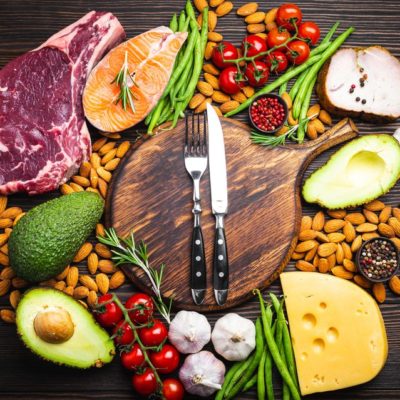
Diet may help preserve cognitive function
According to a recent analysis of data from two major eye disease studies, adherence to the Mediterranean diet -- high in vegetables, whole grains, fish, and olive oil -- correlates with higher cognitive function. Dietary factors also seem to play a role in slowing cognitive decline. Researchers at the National Eye Institute (NEI), part of the National Institutes of Health, led … [Read more...]
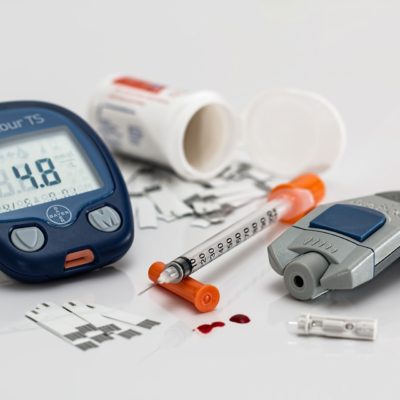
Obesity is a critical risk factor for type 2 diabetes, regardless of genetics
Obesity increases the risk of developing type 2 diabetes by at least 6 times, regardless of genetic predisposition to the disease, concludes research published in Diabetologia (the journal of the European Association for the Study of Diabetes [EASD]). The study is by Dr Theresia Schnurr and Hermina Jakupovi?, Novo Nordisk Foundation Center for Basic Metabolic Research, Faculty … [Read more...]
- « Previous Page
- 1
- …
- 22
- 23
- 24
- 25
- 26
- …
- 427
- Next Page »
